What to Put on the Ground to Absorb Water? Effective Ways to Reduce Standing Water
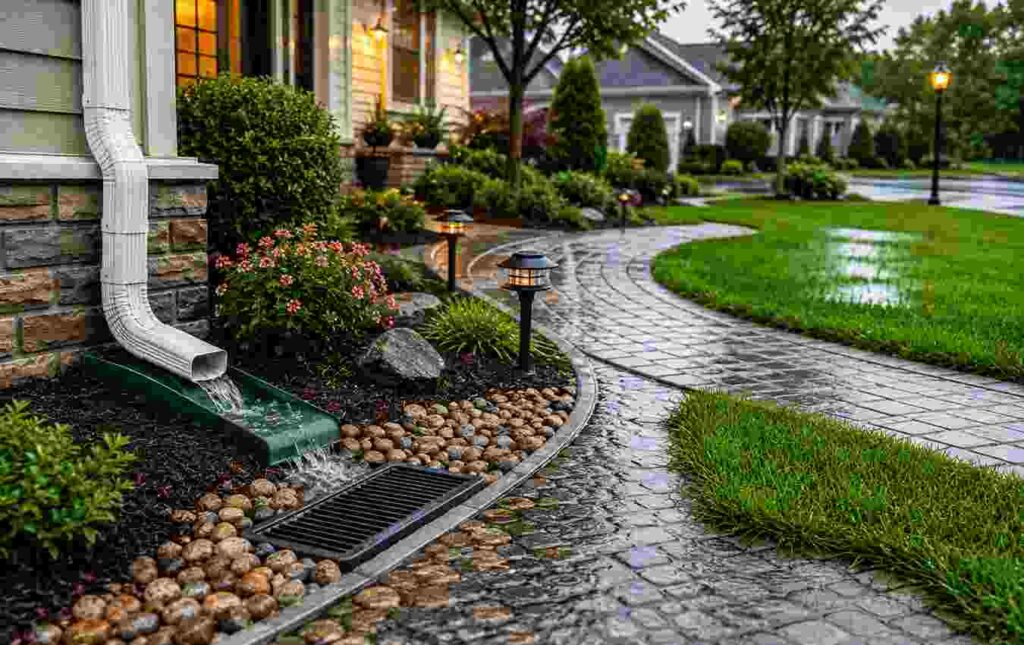
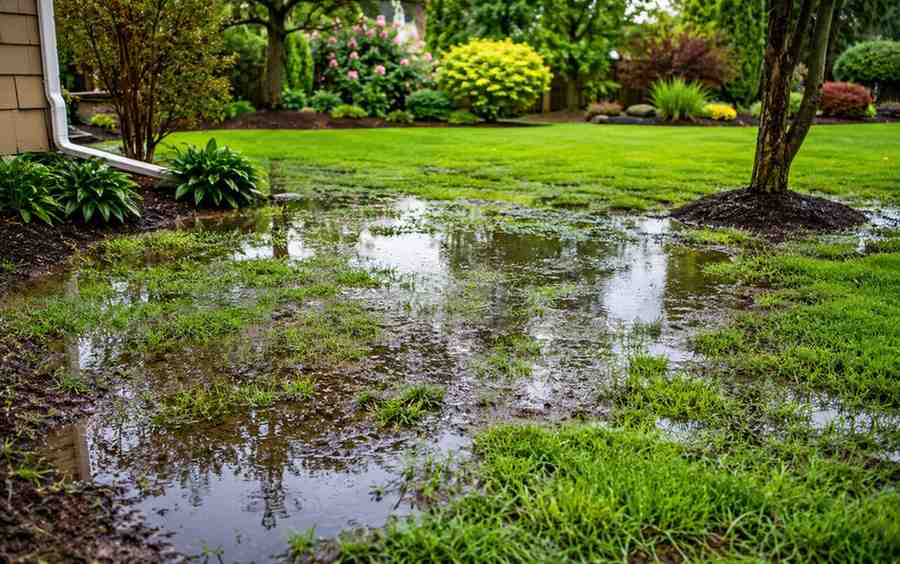
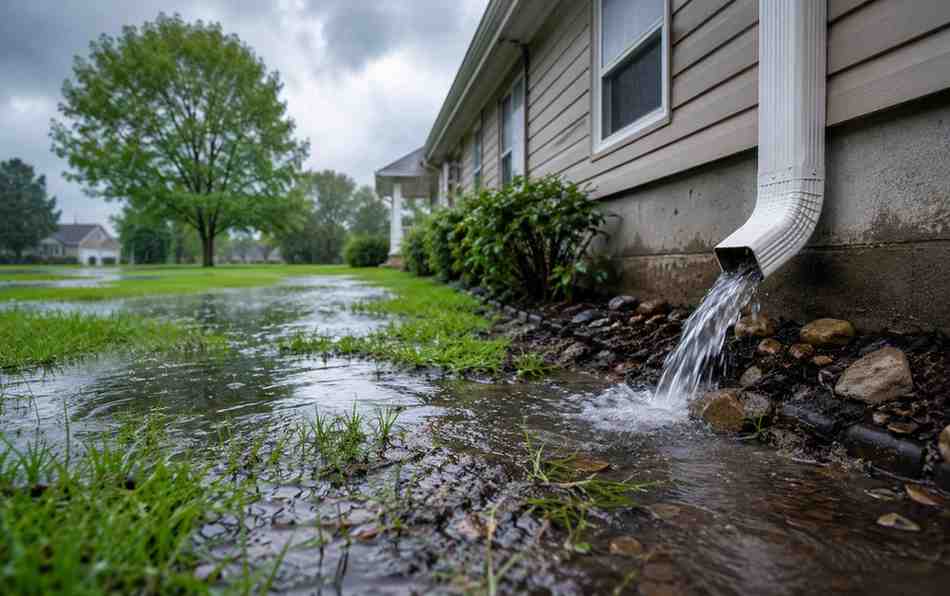
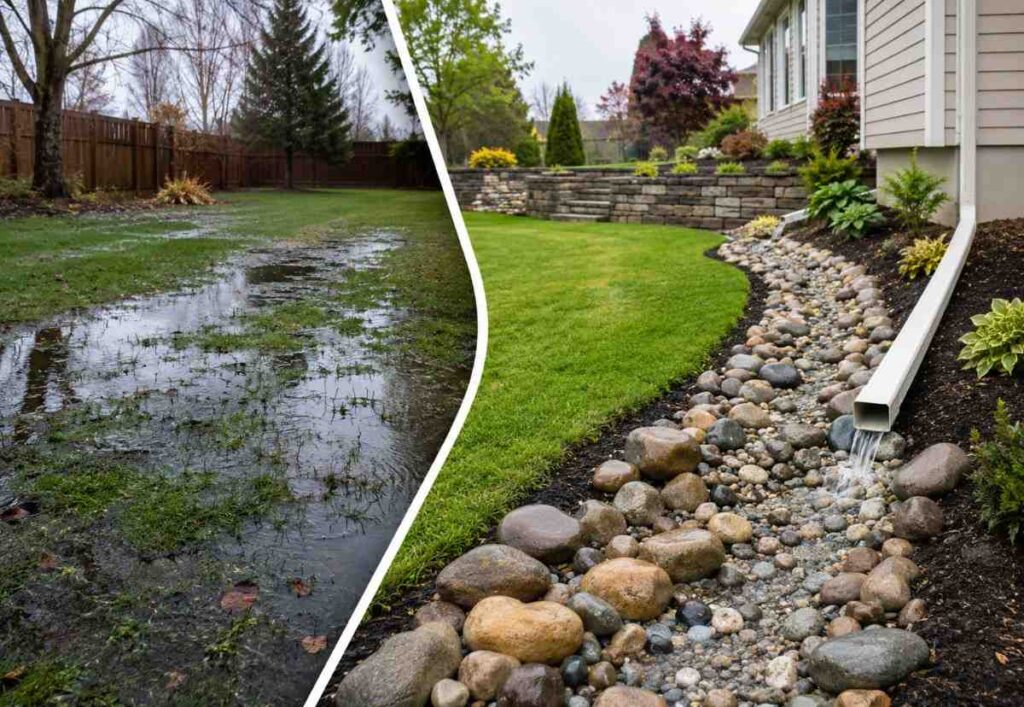
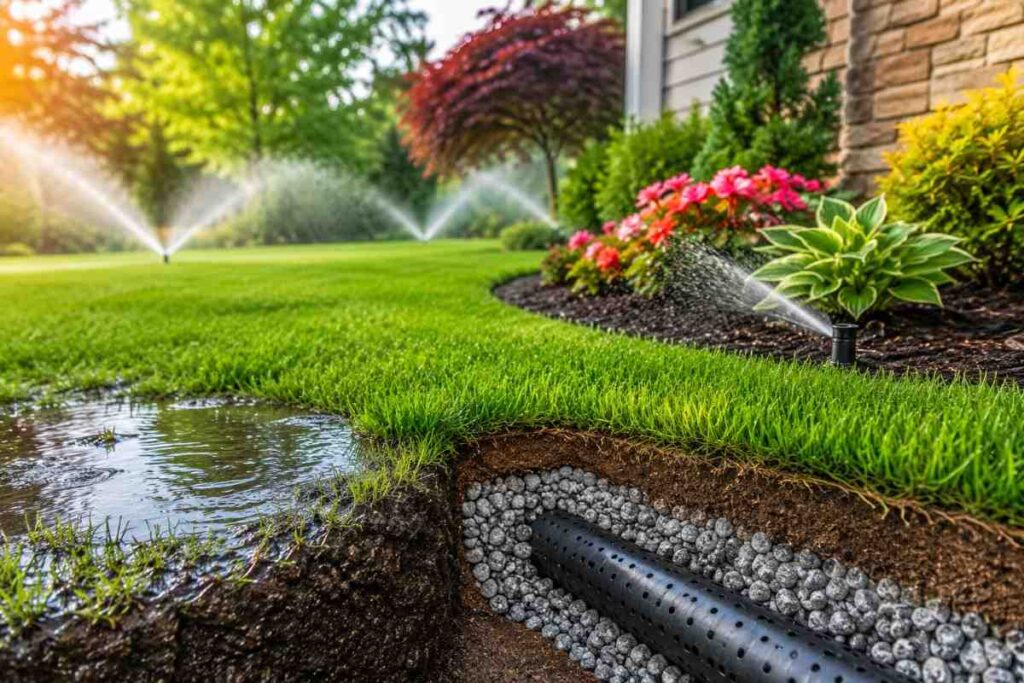
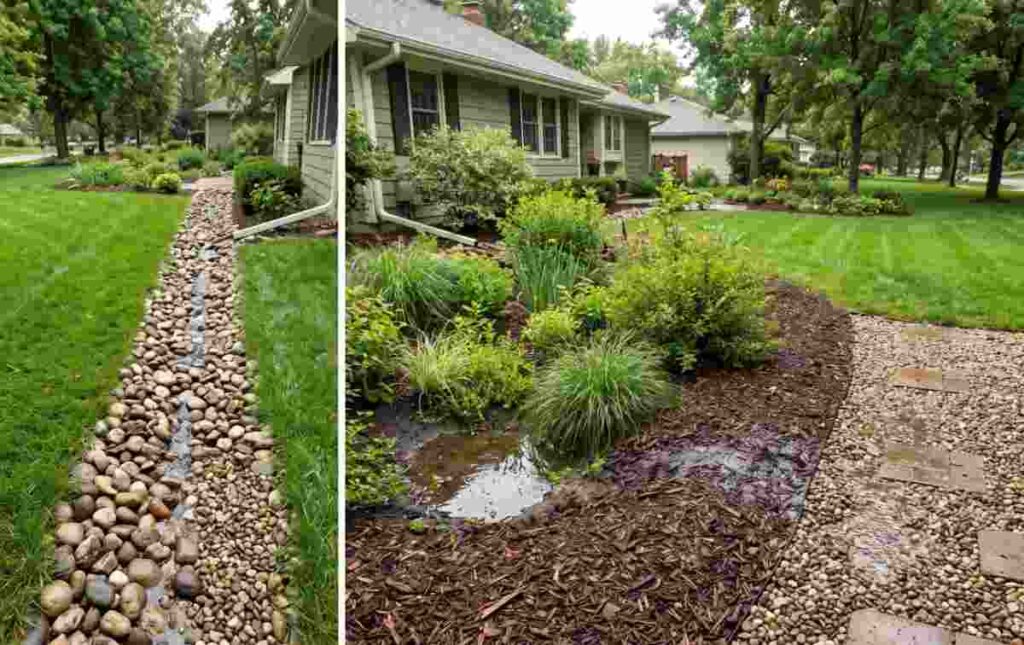
The best things to put on the ground to help absorb or manage excess water are organic mulch, compost, topsoil, sand, gravel, and moisture-tolerant ground covers—but the right solution depends on why water is collecting. For minor moisture problems, improving soil structure with compost and organic matter can increase infiltration. For persistent standing water, simply adding materials on top of the ground may not be enough; grading, French drains, catch basins, dry wells, or other drainage systems may be needed. Standing water can damage lawns, create muddy areas, weaken soil, encourage mosquitoes, and contribute to foundation or landscape drainage problems. Choosing the right water-absorbing material starts with identifying the source and amount of water. What Can You Put on the Ground to Absorb Water? Several materials can help improve water absorption or control excess moisture. However, they work differently and should be selected according to your soil type and drainage conditions. 1. Compost and Organic Matter Compost is one of the best options for improving soil that drains poorly because it can improve soil structure and create more space for air and water movement. Mixing well-aged compost into compacted soil can help water infiltrate rather than remain on the surface. Best for: Improving clay or compacted soil Lawn and garden areas Increasing soil drainage over time Improving soil health Avoid using excessive amounts of compost in an already saturated area. If water has nowhere to go, adding organic material alone will not solve the underlying drainage issue. 2. Topsoil Adding quality topsoil can help reshape low areas and improve surface drainage when used correctly. If a section of your yard is lower than the surrounding landscape, carefully adding soil can raise the area and encourage water to move toward an appropriate drainage point. However, simply piling soil over a wet area can sometimes make drainage worse. Proper grading is important because water should be directed away from buildings and toward a suitable drainage area. 3. Sand Sand is often suggested as a quick solution for wet soil, but it is not always effective. Adding a small amount of sand to heavy clay soil can sometimes create a denser, concrete-like mixture rather than improving drainage. Sand works better when incorporated correctly with other soil amendments and used as part of a properly designed soil profile. For larger drainage problems, professional assessment is usually more effective than adding large quantities of sand. 4. Gravel or Crushed Stone Gravel is useful for managing water around areas where a drainage system is being installed. For example, gravel can be used around drainage pipes, French drains, dry wells, and other water-management systems. Its open spaces allow water to move through the drainage area. Gravel is generally more useful for moving and managing water than simply absorbing it. 5. Mulch Organic mulch can help regulate soil moisture and reduce surface runoff in landscaped areas. It also protects soil from erosion and helps maintain healthier soil conditions. Mulch should not be used to cover areas with severe standing water. Excessive mulch can retain moisture around plants and structures if installed incorrectly. What Is the Best Material for Standing Water in a Yard? For occasional moisture, improving soil with compost and organic matter may help. For recurring standing water, the best solution is usually a drainage system rather than an absorbent material. Common drainage solutions include: French drains Channel drains Catch basins Dry wells Yard drains Grading and slope correction Underground drainage pipes Rainwater management systems The correct solution depends on where the water comes from, how quickly it accumulates, the soil composition, the property’s slope, and where the water can safely be redirected. Why Does Water Keep Collecting on the Ground? Before choosing a material, determine why the ground is staying wet. Common causes include: Poor Soil Drainage Heavy clay soil can hold water for extended periods because it contains very small particles that limit infiltration. Compacted Soil Foot traffic, construction activity, heavy equipment, and years of use can compact soil and reduce the spaces available for water to move through. Low Spots in the Yard Depressions can naturally collect rainwater. If there is no drainage route, these areas can remain wet long after rainfall ends. Poor Yard Grading A yard that slopes toward a home or another low area can direct large amounts of runoff to one location. Excessive Roof Runoff Downspouts that discharge too close to the foundation or lawn can concentrate water in one area. Heavy or Frequent Rainfall Even properly drained yards can experience temporary flooding during unusually heavy storms. If the problem happens repeatedly, however, the property’s drainage system should be evaluated. How to Make Your Yard Absorb More Water? If the problem is relatively minor, several improvements can increase soil infiltration. Aerate compacted soil: Aeration creates pathways that allow air and water to move through the soil. Add organic matter: Compost and other suitable organic amendments can improve soil structure. Improve grading: Reshaping low areas can help surface water flow toward an appropriate drainage point. Use rain gardens: Properly designed rain gardens can temporarily collect and filter storm water while using plants that tolerate wet conditions. Direct downspouts properly: Keep concentrated roof runoff away from the foundation and direct it toward an approved drainage area. For environmentally responsible water management, consider using eco-friendly drainage solutions that are designed to manage runoff while supporting healthier landscape conditions. What Should You Not Put on Wet Ground? Not every material helps solve a water problem. Avoid relying on: Large amounts of sand dumped onto clay soil Excessive mulch over saturated ground Heavy layers of soil without correcting grading Materials that block existing drainage paths Impermeable surfaces that prevent infiltration The goal is not simply to make water disappear. Effective drainage means controlling where water collects, how it moves, and where it ultimately goes. When Should You Consider a Professional Drainage Solution? If your yard repeatedly develops standing water after rain, continues to feel saturated days later, or experiences erosion and runoff problems, the