
Drainage Solution

Learn How to Drain Water From a Parking Lot

7 Effective Solutions For A Parking Lot Drainage

The best drainage solutions for a parking lot include trench drains, permeable pavers, catch basins, sloped surfaces, curbing with gutter systems, underground drainage pipes, and vegetated swales. These options prevent water pooling, reduce pavement damage, and ensure safety. In this post, we’ll quickly break down the top 7 drainage methods to keep your lot dry, durable, and code-compliant. Common Causes of Poor Drainage in a Parking Lot Several factors contribute to inadequate drainage in parking lots, including: 1. Improper Slope: A flat or poorly graded surface prevents water from flowing toward designated drainage points. 2. Clogged Drains: Leaves, dirt, and debris can block water flow, leading to pooling. 3. Poor Drainage System Design: Insufficient or outdated drainage structures can fail to handle large volumes of water effectively. 4. Damaged Pavement: Cracks and potholes can collect water, worsening the drainage problem. 7 Methods for Draining Water From a Parking Lot 1. Grading and Sloping One of the most effective ways to improve drainage is by ensuring the parking lot has the correct slope. Water should naturally flow toward drains or designated runoff areas. Ideally, a parking lot should have a slope between 1% and 5% to facilitate proper drainage. Consulting a professional contractor can help determine the optimal grading for your lot. 2. Installing Surface Drains Surface drains, also known as catch basins, collect and redirect water to underground pipes. These drains are placed at strategic low points in the parking lot to prevent standing water. Regular maintenance, such as removing debris and sediment, ensures optimal functionality. 3. French Drains A French drain is a trench filled with gravel and a perforated pipe that helps redirect excess water away from the parking lot. This system is ideal for areas prone to heavy rainfall, as it prevents water from pooling on the surface. 4. Permeable Paving Permeable paving materials, such as porous asphalt or interlocking pavers, allow water to seep through the surface and into the ground. This environmentally friendly solution reduces runoff and helps recharge groundwater levels. Permeable pavement is particularly useful in commercial settings where traditional drainage solutions may be insufficient. 5. Trench Drains Trench drains are long, narrow channels installed across a parking lot to collect and divert water. These drains are highly effective in areas that experience frequent water accumulation. They are commonly placed near entrances, exits, and other key locations to prevent flooding. 6. Retention and Detention Ponds For large parking lots, incorporating retention or detention ponds can help manage excess stormwater. Retention ponds hold water permanently and allow it to seep into the ground slowly, while detention ponds temporarily store water before releasing it into the drainage system. These solutions are especially beneficial for commercial properties that need to comply with local stormwater management regulations. 7. Gutter and Downspout Systems In parking structures or lots adjacent to buildings, gutter and downspout systems can help manage water runoff. Ensuring that gutters are clear of debris and that downspouts direct water away from the lot prevents erosion and flooding. Maintenance Tips for a Functional Drainage System Regular maintenance is key to keeping a parking lot drainage system efficient. Here are some essential maintenance practices: Inspect Drains Frequently: Check for blockages in catch basins, trench drains, and pipes. Clear Debris: Remove leaves, trash, and sediment to prevent clogging. Repair Cracks and Potholes: Seal any surface damage to prevent water from seeping in. Monitor for Standing Water: Identify areas where water collects and address grading or drainage issues promptly. Schedule Professional Inspections: A professional drainage service can assess and improve drainage efficiency. Proper water drainage is essential for maintaining a safe, functional, and durable parking lot. Whether through grading, surface drains, trench systems, or permeable paving, investing in effective drainage solutions can prevent costly damages and enhance usability. Regular maintenance and professional inspections further ensure that the drainage system remains efficient. By implementing the right strategies, commercial property owners can significantly reduce water-related issues and create a safer environment for all users. FAQ How do I know if my parking lot needs a drainage upgrade? Common signs include standing water, rapid surface deterioration, cracks forming after rain, flooding near entrances, and slow runoff. These issues usually indicate poor grading or undersized drainage systems. Are French drains good for commercial parking lots? Yes. French drains are great for large paved areas because they collect subsurface water and redirect it safely. They work especially well around low spots or edges where water tends to accumulate. What is the difference between a trench drain and a channel drain? They’re basically the same concept—linear drains installed on the surface—but trench drains are typically deeper and used for heavy water flow, while channel drains are shallower and ideal for lighter runoff or decorative installs. Can permeable pavement solve parking lot drainage problems? Absolutely. Permeable pavement allows rainwater to pass through the surface and into a gravel base below, reducing runoff and preventing puddles. It’s also eco-friendly and helps manage stormwater naturally. How much does it cost to install drainage in a parking lot? Costs vary based on the size of the lot, type of drainage system, and soil conditions. On average, businesses spend anywhere from a few thousand dollars for simple solutions to tens of thousands for large commercial systems. Do drainage systems extend the lifespan of a parking lot? Yes—proper drainage reduces standing water, which is the biggest cause of cracks, erosion, and surface damage. A well-engineered system can extend your lot’s lifespan by years. How long does it take to install a parking lot drainage system? Simple systems like channel drains may take a day or two. Larger installs with grading adjustments or multiple trenches can take several days to a week, depending on weather and lot size.
Advanced Solutions to Protect Your Home From Water Damage

Most Advanced Solutions to Protect Your Home From Water Damage

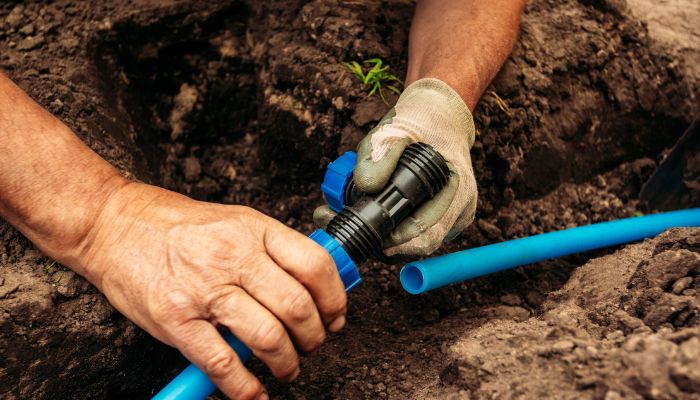
Water damage is one of the most destructive and costly issues homeowners face. Whether caused by heavy rainfall, flooding, or plumbing failures, excess moisture can lead to structural damage, mold growth, and loss of valuable possessions. Implementing proactive measures, including effective yard drainage solutions, can help safeguard your home from potential water-related disasters. In this blog, we explore the most advanced solutions available to protect your home from water damage and ensure long-term security. 10 Drainage Solutions to Protect a House From Water Damage 1. Smart Water Leak Detection Systems Technology has significantly advanced in home protection, with smart water leak detection systems leading the charge. These devices use sensors to monitor moisture levels in critical areas, such as basements, under sinks, and around water heaters. If an abnormal moisture level is detected, the system immediately notifies homeowners via a mobile app, allowing for quick action to prevent damage. Some systems even integrate with smart home platforms to automatically shut off the main water supply in case of a major leak. 2. Advanced Waterproofing Solutions Waterproofing your home is an essential step in preventing water damage. Modern waterproofing techniques go beyond traditional sealants and coatings. Some of the most effective options include: Exterior Waterproofing Membranes: Applied to the foundation, these flexible and durable membranes create a barrier against moisture infiltration. Interior Sealants and Waterproof Coatings: Used on basement walls and floors, these materials help prevent moisture seepage from the ground. Crystalline Waterproofing: This technology involves compounds that penetrate concrete to form crystals that block water passage, providing long-term protection. 3. Sump Pump Systems with Battery Backup A sump pump is a crucial defense against basement flooding, especially in areas prone to heavy rainfall. Advanced sump pumps come with features such as: Battery Backup Systems: Ensure functionality even during power outages. Wi-Fi Connectivity: Alerts homeowners of potential failures or excessive water levels. Dual Pump Systems: Provide extra security in case one pump fails or water levels rise rapidly. Installing a high-capacity sump pump with these advanced features significantly reduces the risk of basement flooding. 4. French Drains and Modern Drainage Systems An effective drainage system is key to directing excess water away from your home. French drains, a popular solution, consist of a perforated pipe surrounded by gravel that redirects water away from the foundation. Modern upgrades include: Geo-Textile Fabric Wrapping: Prevents soil and debris from clogging the drain. Sloped Drainage Pipes: Ensure efficient water flow. Automated Drainage Pumps: Move water efficiently in low-lying areas where gravity drainage is insufficient. A perfect pipe can successfully run your drainage systems for a long term. 5. Smart Irrigation Systems to Prevent Overwatering Overwatering your lawn can lead to water pooling around your home’s foundation, increasing the risk of damage. Smart irrigation systems use weather data, soil sensors, and automation to regulate water distribution effectively. These systems can: Adjust watering schedules based on real-time weather conditions. Prevent excessive runoff that could contribute to soil erosion. Ensure optimal moisture levels to protect both landscaping and foundation integrity. 6. Gutter Protection and Advanced Downspouts A well-maintained gutter system is essential for directing rainwater away from your home. Modern solutions include: Gutter Guards: Prevent leaves, debris, and pests from clogging gutters. Seamless Gutters: Reduce the chances of leaks and breakage. Extended Downspouts with Underground Drainage: Direct water far from the foundation to prevent pooling and erosion. Regularly cleaning and upgrading gutters with these advanced features can prevent costly water damage repairs. 7. Flood Barriers and Water-Resistant Landscaping For homes in flood-prone areas, investing in flood barriers and strategic landscaping can provide extra protection. Options include: Inflatable Flood Barriers: These barriers can be deployed quickly to block water from entering your home. Permeable Paving: Allows water to seep through, reducing surface runoff. Rain Gardens: Absorb excess water and redirect it away from the foundation. Retaining Walls: Help control water flow and prevent soil erosion. 8. Moisture-Resistant Building Materials Modern construction materials offer superior resistance to moisture-related damage. Some of the best choices include: Waterproof Drywall (Green Board or Cement Board): Ideal for bathrooms, basements, and flood-prone areas. Composite or Treated Wood: Prevents rot and warping caused by moisture. Water-Resistant Insulation (Closed-Cell Spray Foam): Acts as both insulation and a moisture barrier, preventing mold growth. Using these materials can significantly enhance your home’s ability to withstand moisture exposure. 9. Automated Shutoff Valves for Plumbing Protection A burst pipe can cause extensive damage within minutes. Automated shutoff valves detect unusual water flow patterns and shut off the main water supply to prevent flooding. These valves can: Be controlled remotely via smartphone apps. Detect small leaks before they become major problems. Integrate with home automation systems for added security. Installing these valves provides peace of mind and prevents potential water damage disasters. 10. Regular Home Maintenance and Inspections While advanced solutions play a crucial role in water damage prevention, regular home maintenance remains essential. Key maintenance practices include: Inspecting roofs for leaks, missing shingles, and damaged flashing. Checking plumbing systems for leaks, corrosion, and weak connections. Ensuring basement and crawl spaces remain dry with proper ventilation. Sealing windows, doors, and foundation cracks to prevent water intrusion. By combining cutting-edge technology with diligent maintenance, homeowners can ensure their properties remain well-protected from water damage. Final Thoughts Water damage can have devastating consequences, but with the most advanced solutions available today, homeowners can effectively mitigate risks. From smart leak detection and automated shutoff valves to advanced waterproofing and drainage systems, there are numerous ways to enhance home protection. Investing in these technologies and implementing regular maintenance practices can save homeowners from costly repairs and ensure long-term property security. By adopting these proactive measures, you can safeguard your home against water-related threats and enjoy peace of mind, knowing that your property is well-defended against potential water damage.

Scroll to Top