Storm Drain Maintenance Checklist for Commercial Businesses
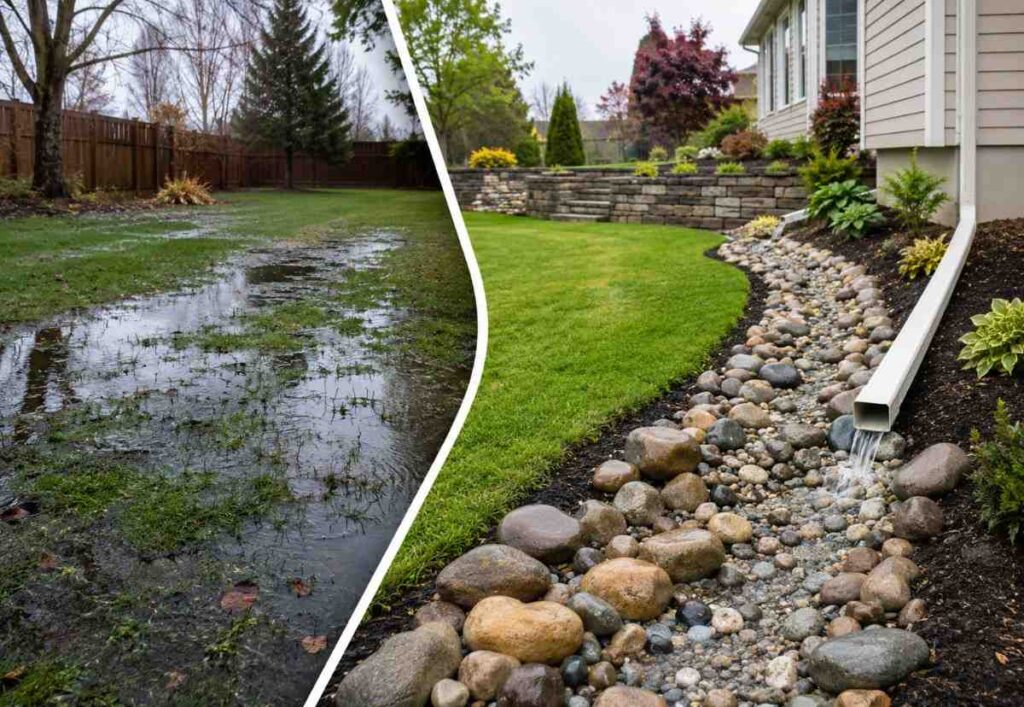
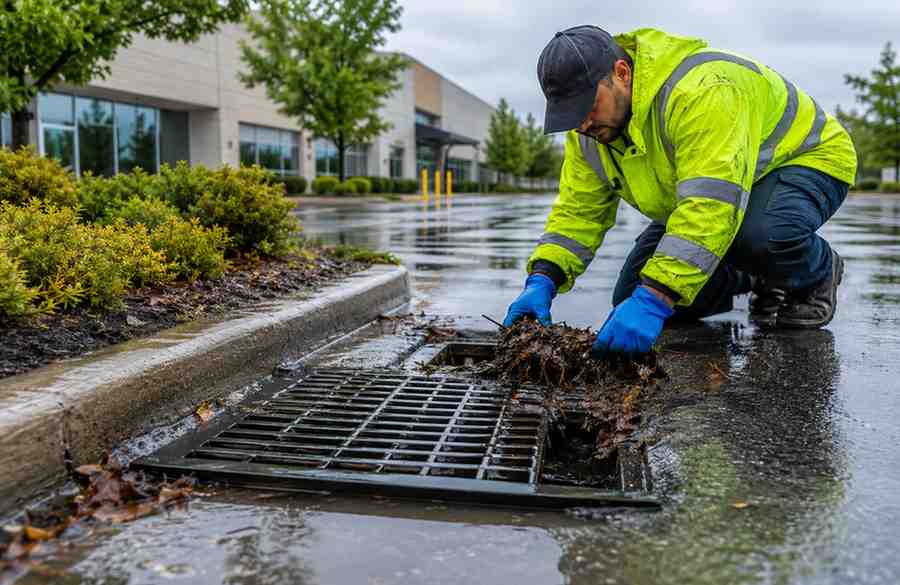
Storm drain maintenance is essential for every commercial property because clogged or damaged drains can cause flooding, property damage, safety hazards, and costly repairs. A proactive commercial stormwater management plan helps businesses stay compliant, protect infrastructure, and maintain a clean and safe environment year-round. Commercial businesses that follow a regular storm drain maintenance checklist reduce emergency drainage issues, improve water flow efficiency, and extend the life of their drainage systems. 9 Storm Drain Maintenance Checklist for Commercial Businesses Create a Routine Commercial Drain Inspection Schedule A scheduled commercial drain inspection program helps businesses identify issues before they become emergencies. Drainage systems should be inspected quarterly and after major storms to ensure all components function properly. Inspections should include catch basins, grates, pipes, gutters, downspouts, retention ponds, and underground drainage lines. A professional commercial drainage contractor can use cameras and specialized tools to detect cracks, root intrusion, sediment buildup, and pipe deterioration. Routine inspections also improve long-term maintenance planning and budgeting for commercial properties. Remove Debris From Catch Basins and Drain Openings Leaves, trash, dirt, mulch, and packaging materials often collect around storm drains in commercial parking lots and loading areas. This debris restricts water flow and increases the risk of flooding during heavy rainfall. Property managers should regularly clear visible debris from drain grates and surrounding areas. High-traffic businesses such as shopping centers, restaurants, warehouses, and office complexes may require more frequent cleaning due to increased waste accumulation. Preventative cleaning keeps drainage systems operating efficiently and improves the overall appearance of the property. Clean Gutters and Downspouts to Prevent Water Overflow Gutters and downspouts are essential components of commercial stormwater management systems. When clogged, rainwater overflows and may damage siding, roofing, landscaping, and building foundations. Commercial buildings should have gutters cleaned regularly, especially during fall and storm seasons. Downspouts must direct water away from the structure and into designated drainage channels. Businesses that ignore gutter maintenance often experience preventable water intrusion problems that increase repair costs over time. Inspect Parking Lots for Drainage Problems Parking lots are one of the most vulnerable areas for drainage issues on commercial properties. Cracks, uneven pavement, and blocked trench drains can prevent water from flowing properly. Standing water in parking lots not only damages asphalt but also creates safety concerns for customers and employees. Routine inspections help identify areas where water pools excessively after rainfall. A drainage specialist may recommend resurfacing, grading adjustments, or drain cleaning to restore proper water movement across paved surfaces. Monitor Stormwater Runoff and Erosion Around the Property Stormwater runoff can gradually erode landscaping, sidewalks, and soil surrounding a commercial property. Businesses should inspect retention areas, drainage swales, and landscaped sections for signs of soil displacement or washouts. Excessive erosion often indicates improper drainage flow or blocked stormwater channels. Installing erosion control measures and maintaining vegetation helps stabilize the property and improve water absorption. Proper runoff management also supports environmental compliance and reduces sediment pollution. Schedule Professional Jetting and Drain Cleaning Services Over time, grease, sludge, sediment, and mineral buildup accumulate inside underground drainage pipes. Professional hydro jetting and drain cleaning services help remove these obstructions and restore full pipe capacity. Commercial drain cleaning is especially important for restaurants, industrial facilities, retail centers, and multi-tenant buildings that generate high water runoff and waste buildup. For businesses managing food service operations, this guide on how often commercial drains should be cleaned in restaurants provides valuable maintenance insights and preventative cleaning recommendations. Regular cleaning improves drainage performance and reduces emergency plumbing calls. Check for Structural Damage in Underground Drainage Systems Storm drain systems may develop cracks, corrosion, pipe separation, or root intrusion over time. Underground drainage damage often goes unnoticed until severe flooding or sinkholes appear. Modern commercial drain inspection technology allows contractors to evaluate underground pipes without extensive excavation. Early detection minimizes repair costs and prevents operational disruptions. A qualified commercial drainage solution provider can recommend repair methods such as pipe lining, sectional replacement, or complete drainage upgrades when necessary. Prepare Storm Drains Before Hurricane and Rainy Seasons Commercial businesses located in regions with heavy rainfall or hurricane risks should complete seasonal storm drain maintenance before severe weather arrives. Preventative preparation reduces the likelihood of flooding emergencies during intense storms. Seasonal preparation may include drain cleaning, debris removal, sump pump testing, retention pond inspections, and emergency response planning. Businesses that prepare in advance typically experience less downtime, lower repair costs, and fewer storm-related disruptions. Partner With an Experienced Commercial Drainage Contractor Managing stormwater systems requires expertise, proper equipment, and ongoing maintenance planning. Working with an experienced commercial drainage contractor ensures inspections, repairs, and cleaning services are completed correctly and safely. Professional contractors understand local drainage regulations, environmental standards, and commercial property requirements. They can also develop customized maintenance programs tailored to specific business operations and property layouts. Choosing a reliable drainage specialist helps businesses maintain safe conditions while protecting valuable infrastructure investments. Why Storm Drain Maintenance Matters for Commercial Properties Storm drains are designed to direct rainwater away from parking lots, roofs, loading zones, sidewalks, and building foundations. When drains become blocked with debris, grease, leaves, sediment, or trash, water begins to pool and creates serious risks for a commercial property. Poor drainage can lead to structural damage, pavement erosion, mold growth, slip hazards, and operational downtime. Regular maintenance also helps businesses comply with local environmental and stormwater regulations that prevent polluted runoff from entering public waterways. Businesses that invest in preventative maintenance often avoid expensive emergency repairs and reduce liability risks associated with flooding accidents. Signs Your Commercial Storm Drain System Needs Immediate Attention Several warning signs indicate a storm drain system may require cleaning or repair. Standing water around drains, slow drainage after rainfall, foul odors, visible debris buildup, and sinkholes near drainage areas are common indicators of blockage or structural damage. Ignoring these signs can lead to severe drainage failures during heavy storms. Scheduling professional inspections early helps identify hidden problems before they disrupt daily business operations. Many businesses rely on local commercial drainage services to inspect