
Drain Replacement

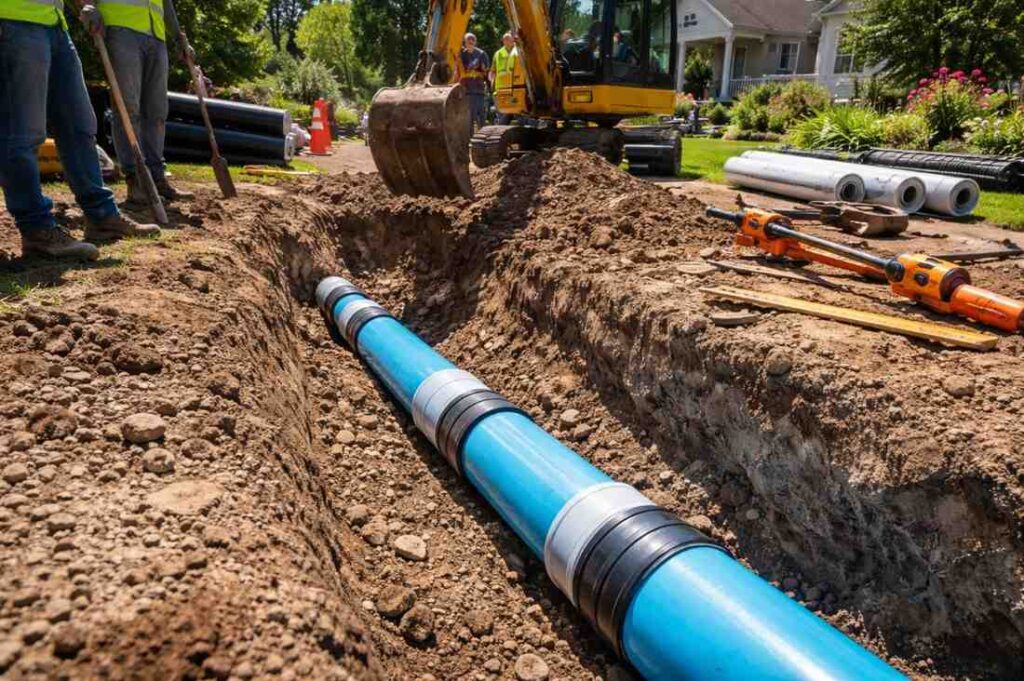
Sewer line replacement with trench excavation and new pipe installation in residential yard

Complete Guide to Sewer Line Replacement Process

Sewer line replacement is the process of removing damaged underground pipes and installing new ones to restore proper wastewater flow. It prevents recurring backups, foul odors, and costly property damage when repairs are no longer effective. What Is Sewer Line Replacement and When Is It Needed? Sewer line replacement involves removing or rehabilitating damaged pipes that carry wastewater from your home to the municipal system or septic tank. It becomes necessary when repairs fail or damage is extensive. Sewer issues often begin subtly but worsen over time. Cracks, corrosion, tree root intrusion, and aging materials can compromise your plumbing system. Homeowners typically notice slow drains, frequent clogs, or unpleasant odors. When these symptoms persist despite repeated fixes, full sewer pipe replacement becomes the most reliable solution. Common Signs Your Sewer Line Needs Replacement Persistent drainage issues, sewage odors, soggy patches in your yard, and frequent backups are strong indicators of a failing sewer line. Recognizing these early can help prevent severe structural damage and costly emergencies. If you’re unsure, reviewing expert resources like signs you need drain replacement or signs of failing drain line can help you confirm whether your issue requires immediate attention. Why Professional Sewer Line Replacement Matters Sewer line replacement is complex and requires proper diagnosis, permits, and specialized equipment. Attempting DIY fixes can worsen the issue and increase long-term costs. This is why it’s essential to hire a professional drain replacement contractor who understands soil conditions, local codes, and modern techniques like trenchless sewer line installation. Licensed sewer contractors ensure compliance, safety, and long-lasting results, especially for residential sewer line repair projects. Step-by-Step Sewer Line Replacement Process The sewer line replacement process follows a structured approach to ensure efficiency, minimal disruption, and long-term durability. Understanding each step helps homeowners feel more confident during the project. 1. Initial Inspection and Diagnosis A professional inspection using camera technology identifies the exact location and severity of the damage. This helps determine whether a full replacement or pipe relining solution is required. Experts insert a waterproof camera into the pipeline to inspect cracks, blockages, or collapsed sections. This step is crucial for accurate planning and avoids unnecessary excavation or guesswork. 2. Choosing the Right Replacement Method Depending on the condition of the pipe, professionals recommend either traditional excavation or trenchless sewer line replacement. Each method has its own benefits based on property layout and damage severity. Traditional methods involve digging trenches to access the pipe, while trenchless solutions like pipe relining or pipe bursting minimize disruption. Homeowners often prefer trenchless sewer line techniques because they preserve landscaping and reduce labor costs. 3. Permits and Preparation Before starting the replacement, contractors secure necessary permits and mark utility lines to prevent accidents. Proper preparation ensures compliance with local regulations and safety standards. This stage may also involve notifying local authorities and planning access points. Preparing the site helps streamline the process and prevents unexpected delays during plumbing sewer replacement. 4. Excavation or Access Point Creation In traditional sewer pipe replacement, trenches are dug to expose the damaged pipe. For trenchless methods, small access points are created instead of full excavation. Excavation allows complete visibility of the pipe but may disrupt landscaping, driveways, or sidewalks. In contrast, trenchless sewer line methods reduce surface damage, making them a popular choice for modern homeowners. 5. Removing the Old Sewer Line The damaged pipe is carefully removed or broken apart, depending on the replacement method. This step ensures that all compromised sections are eliminated before installing new materials. In pipe bursting, the old pipe is fractured while a new one is simultaneously pulled into place. This innovative approach speeds up the process and reduces the need for extensive digging. 6. Installing the New Sewer Line New pipes are installed using durable materials like PVC or HDPE, designed to resist corrosion, root intrusion, and long-term wear. Proper installation ensures smooth wastewater flow and longevity. The new system is aligned carefully to maintain proper slope and connection with the existing plumbing system. This step is critical for preventing future drainage issues and ensuring optimal performance. 7. Testing and Quality Check After installation, the new sewer line is tested to ensure there are no leaks, blockages, or alignment issues. This guarantees the system is functioning correctly before finalizing the project. Contractors may perform water flow tests and camera inspections to confirm quality. This step provides peace of mind and ensures your drain line replacement meets industry standards. 8. Backfilling and Site Restoration Once testing is complete, trenches are filled, and the site is restored to its original condition. Landscaping, driveways, or sidewalks are repaired as needed. Trenchless methods require minimal restoration, while traditional methods may involve more extensive repairs. Either way, professional contractors ensure your property looks as good as new after the project. Trenchless vs Traditional Sewer Line Replacement Trenchless sewer line replacement is less invasive and faster, while traditional methods are better for severely damaged or collapsed pipes. Choosing the right option depends on your property and pipe condition. Trenchless solutions like pipe relining create a new pipe within the existing one, making them ideal for minor to moderate damage. Traditional excavation, however, is necessary when pipes are completely collapsed or misaligned. Cost Factors in Sewer Line Replacement The cost of sewer pipe replacement varies based on pipe length, depth, material, labor, and method used. Understanding these factors helps homeowners plan their budget effectively. Trenchless sewer line methods may have higher upfront costs but save money on restoration. Traditional methods might be cheaper initially but can increase costs due to landscaping repairs. How to Prevent Future Sewer Line Issues Regular maintenance, proper waste disposal, and timely inspections can extend the lifespan of your sewer system. Preventive care reduces the likelihood of recurring sewer backup solutions. Avoid flushing non-biodegradable items, monitor tree root growth, and schedule periodic inspections. These simple steps can protect your plumbing system and reduce the need for frequent residential sewer line repair. Final Thoughts: Is Sewer Line Replacement Worth It? Sewer line replacement
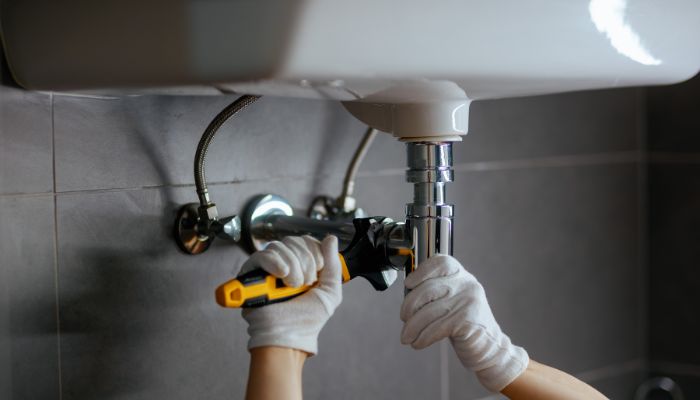
Plumber repairing a drain pipe under a bathroom sink showing signs of a failing drain line.

What Are the Signs of a Failing Drain Line?

A failing drain line usually shows up through slow drains, recurring clogs, foul odors, gurgling sounds, or unexpected water damage. Catching these warning signs early can help you avoid major plumbing repairs and costly property issues. If you’re noticing multiple drainage problems at once, your drain line may already be weakening beneath the surface and needs professional attention fast. Signs of a Failing Drain Line 1. Slow Drains That Keep Coming Back One of the earliest signs of a failing drain line is water draining slowly from sinks, tubs, or showers, even after cleaning. Persistent slow drainage often points to deeper pipe damage or buildup. When slow drains return repeatedly, it’s rarely just a simple clog. In many cases, the drain line has cracks, corrosion, or root intrusion that blocks proper water flow over time. 2. Frequent Clogs in Multiple Fixtures If more than one drain in your home keeps clogging, the issue may not be localized. Multiple backups often indicate a larger problem in the main drain line system. This pattern is a strong warning sign because isolated clogs usually affect one fixture. But widespread clogging suggests the main line is struggling, failing, or partially collapsed underground. 3. Bad Odors Coming From Drains Sewage-like smells coming from your drains are never normal. These odors often happen when waste water cannot move through the drain line properly, causing buildup and bacterial growth. A failing drain line may have cracks or blockages that trap debris. The longer it sits, the worse the smell becomes, signaling a need for inspection and repair. 4. Gurgling Noises and Air Bubbles Strange gurgling sounds from toilets or drains can mean trapped air in the plumbing system. This happens when wastewater flow is disrupted by blockage or pipe deterioration. At this stage, many homeowners begin considering drain pipe replacement because these noises often suggest structural issues, not just surface-level clogs. 5. Water Backups or Overflow Problems Water backing up into tubs, showers, or floor drains is one of the clearest signs of drain line failure. Backups often occur when the pipe can no longer carry waste away efficiently. This is more than an inconvenience—it can become a health hazard. Sewage exposure and water damage can escalate quickly, so immediate professional help is critical. 6. Unexplained Water Damage or Mold Growth Failing drain lines can leak behind walls or beneath floors without obvious signs at first. Over time, hidden leaks cause staining, warped flooring, and mold growth. If you notice damp spots, musty smells, or sudden mold patches, your drain line could be cracked or broken, allowing moisture to collect inside your home structure. 7. Soggy Patches or Sinkholes in the Yard Outdoor warning signs are common with underground drain line damage. If parts of your yard are unusually wet, smelly, or sunken, wastewater may be leaking below the surface. These issues often point to a broken sewer or drain line. Addressing them early helps prevent major excavation costs and property damage. 8. Higher Water Bills Without Explanation A damaged drain line can waste water through unnoticed leaks, leading to an unexpected rise in your utility bill. Even small cracks can cause significant long-term water loss. If your bill increases but your water usage hasn’t changed, it’s smart to schedule a drain line inspection to rule out hidden plumbing failure. Signs You Should Schedule a Professional Drain Inspection If you’re experiencing repeated clogs, odors, gurgling, or water damage, it may be time to call a trusted drainage specialist. Professionals use camera inspections to pinpoint failures accurately. For homeowners in Jacksonville, you can review these detailed warning signs you may need drain replacement to understand when urgent action is necessary. Why Trust Matters With Drain Line Repairs Drain line problems require expert diagnosis, not guesswork. Experienced contractors know how to detect pipe collapse, root intrusion, and long-term corrosion before repairs become emergencies. For added confidence, you can also explore WeatherTek’s verified business profile through this trusted contractor listing to see their service credibility and customer-focused reputation. Final Thoughts: Don’t Ignore Drain Line Warning Signs The signs of a failing drain line usually start small—slow drainage, odors, and clogs—but they can quickly become major backups or property damage. Early detection saves money and stress. If you suspect drain trouble, acting quickly with a professional evaluation is the best way to protect your home and avoid costly replacements later.

Professional using a camera to inspect a clogged sewer line for replacement in Jacksonville Florida home

12 Signs You Need a Drain Replacement

If your drains keep clogging, smell bad, or drain slowly—even after using cleaners or calling for help—it’s probably more than a simple blockage. These are often signs of deeper issues like broken or corroded pipes, and only a full drain replacement can fix them for good. In this guide, you’ll quickly learn the top 12 signs that your home needs more than cleaning and when to search for drain replacement near you or call in trusted drain repair services. From recurring clogs to sewer line damage, we cover what to look for and what steps to take next. 1. Recurring Clogs If your sinks, showers, or bathtubs keep clogging despite frequent cleanings or the use of commercial drain cleaners, it’s a red flag. Persistent blockages often point to deeper issues such as a deteriorated or collapsed drain pipe that cleaning won’t resolve. 2. Foul Odors Unpleasant smells coming from your drains could be caused by trapped waste or rotting material inside old pipes. While drain cleaning might temporarily reduce odors, a full drain replacement is often necessary to eliminate the smell permanently. 3. Slow Draining Water Water that drains slowly from sinks, tubs, or toilets—even after cleaning—may indicate a problem with the drain pipe’s structural integrity. This could be due to corrosion, root intrusion, or pipe collapse. 4. Water Backups If water is backing up into other fixtures when you use the sink or flush the toilet, it’s likely a sign of a serious issue in your drainage system. This is especially true if backups occur in the basement or lower-level fixtures, pointing to problems in the main sewer line. 5. Old or Outdated Plumbing Homes with cast iron, clay, or Orangeburg pipes are at a higher risk for drainage failure. These materials deteriorate over time, and in many cases, sewer line replacement is the most effective long-term solution. 6. Visible Corrosion or Rust If you can see rust or corrosion on exposed pipes, there’s a good chance the same is happening inside your walls or underground. Rust weakens your drain pipe, leading to leaks and blockages that no drain repair services can permanently fix. 7. Water Stains or Mold Around Drains Stains or mold around your drains or on nearby walls can indicate leaking pipes. If left unchecked, this can lead to structural damage. In many cases, replacing the affected pipe is safer and more cost-effective than repeated patching. 8. Gurgling Sounds Do your drains make strange gurgling noises? This could mean air is trapped in your pipes due to a clog or a broken section of the pipe. Gurgling noises are a key indicator that your drainage system needs more than a simple cleaning. 9. Frequent Use of Drain Cleaner If you’re using drain cleaner regularly just to keep water flowing, you may be masking a more serious issue. Overuse of chemical cleaners can even damage your pipes further, increasing the likelihood that a drain replacement will be needed. 10. Tree Root Intrusion Tree roots naturally seek out moisture, making your underground drain pipes a prime target. If roots invade and crack your pipes, no amount of cleaning will restore them—only replacement will. 11. Sinkholes or Soggy Lawn Wet spots or sinkholes in your yard can be signs of leaking underground pipes. This could mean your main sewer line is broken or deteriorating, a situation that typically requires sewer line replacement. 12. Higher Water Bills A sudden spike in your water bill could be due to leaking or broken pipes. If these leaks are within your drainage system, a cleaning won’t help. In this case, a full replacement might be the most economical option long term. What To Do If You Notice These Signs If you’ve noticed one or more of these symptoms in your home, it’s time to contact professionals for an inspection. Search for a trusted drain replacement near you to get an expert diagnosis and explore your options. Reliable drain repair services can help determine whether a simple fix will suffice or if a full replacement is the smarter investment. Sometimes, modern solutions like trenchless sewer line replacement can minimize disruption to your property and save money over traditional digging methods. Final Thoughts While minor clogs and slow drains are often manageable with a plunger or drain cleaning, some problems go far deeper. Ignoring the signs of a failing drain pipe can lead to extensive damage and costly repairs. If you’re noticing persistent issues, don’t wait until it’s too late. By staying vigilant and acting early, you can save money, protect your home, and ensure your plumbing system works efficiently for years to come.

Scroll to Top