
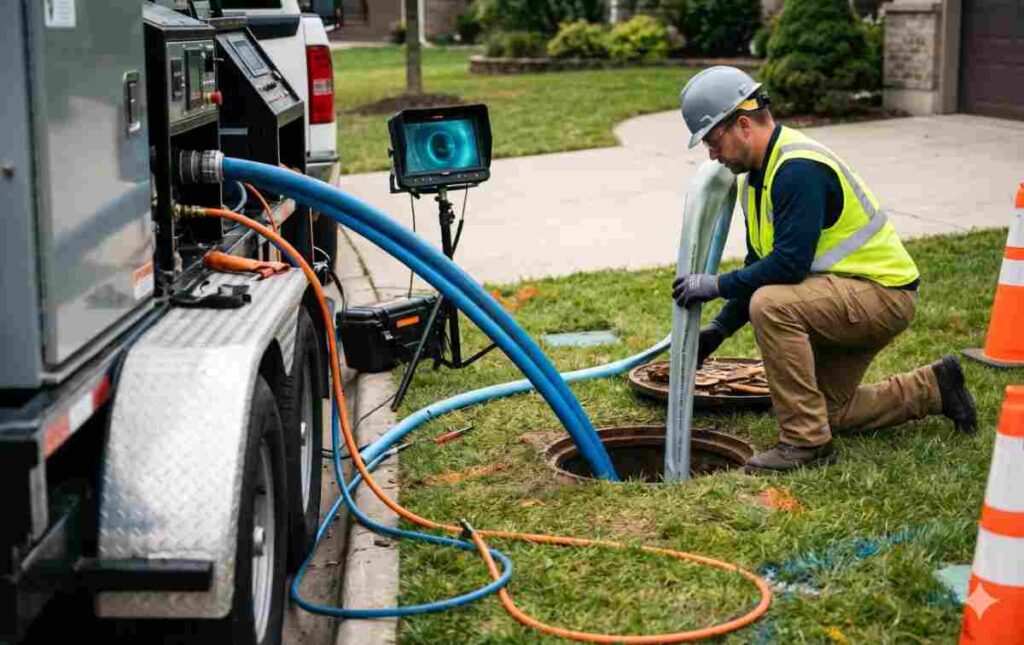
Yes, a drain can often be repaired without digging up the ground using modern trenchless drain repair techniques. Methods such as pipe relining, pipe bursting, and localized pipe repairs allow professionals to fix certain underground drain problems with minimal excavation. These solutions can help restore water flow, repair cracks, and address leaks while reducing disruption to landscaping, driveways, patios, and other outdoor areas. However, the right method depends on the pipe’s condition, location, material, and extent of damage.
For homeowners experiencing recurring blockages, underground leaks, or damaged drainage pipes, no-dig repair methods can provide a practical alternative to traditional excavation.
What Is Trenchless Drain Repair?
Trenchless drain repair is a modern approach to fixing underground drainage pipes without excavating long trenches across a property. Instead of exposing the entire damaged pipe, professionals use specialized equipment and access points to repair or replace sections underground.
This technique is particularly useful when pipes run beneath:
- Driveways and concrete walkways
- Landscaped gardens and lawns
- Patios and outdoor living spaces
- Roads and parking areas
- Buildings and other structures
The goal is to restore proper drainage while minimizing property disruption.
How Do Professionals Repair Drains Without Digging?
Before choosing a repair method, drainage professionals need to understand what is happening inside the underground pipe. A CCTV drain camera inspection is commonly used to identify cracks, root intrusion, blockages, corrosion, and structural damage.
Based on the inspection, professionals may recommend one of several trenchless drain repair solutions.
Method 1: Cured-in-Place Pipe (CIPP) Relining
Pipe relining is one of the most recognized no-dig drain repair techniques. It involves inserting a resin-saturated liner into an existing damaged pipe and curing it to form a new, durable interior surface.
How pipe relining works:
- The existing pipe is inspected using a specialized camera.
- Debris and obstructions are removed.
- A resin-coated liner is inserted into the damaged section.
- The liner is inflated or positioned against the existing pipe walls.
- The resin cures and forms a new pipe lining.
- A final inspection checks the repaired section.
Pipe relining can be suitable for certain cracked, leaking, or deteriorating pipes that still retain enough structural integrity.
Method 2: Trenchless Pipe Bursting
Pipe bursting is another technique used when an underground drain needs replacement without traditional full-length excavation.
A specialized bursting head is pulled through the existing pipe, breaking or displacing the old pipe while drawing a replacement pipe into position.
Key benefits include:
- Replacing severely deteriorated pipe sections.
- Reducing the need for extensive digging.
- Minimizing disruption to landscaping and paved surfaces.
- Installing a new pipe along the existing route.
However, pipe bursting requires suitable ground conditions, adequate access, and consideration of nearby utilities and other underground structures.
Method 3: Localized Spot Repairs
Not every damaged drain requires a complete pipe lining or replacement. If the problem is limited to one accessible section, a localized repair may be possible.
Professionals can sometimes repair a specific crack, damaged joint, or isolated pipe section through a small excavation or specialized internal repair technique.
This approach can be more practical when the remaining drainage system is in good condition.
When Is No-Dig Drain Repair the Best Option?
Trenchless drain repair is generally most effective when the existing pipe has a suitable structure and alignment for the selected repair technique.
It may be appropriate for:
- Small cracks and leaking pipe joints.
- Root intrusion that has been cleared and assessed.
- Aging pipes with localized deterioration.
- Underground drains beneath driveways or landscaping.
- Certain damaged sewer and stormwater pipes.
The final decision should always follow a professional inspection rather than relying on visible symptoms alone.
When Is Digging Still Necessary?
Although trenchless technology offers several advantages, it cannot solve every drainage problem.
Traditional excavation may be necessary when:
- The underground pipe has completely collapsed.
- Sections of the drain are severely misaligned.
- The pipe has extensive structural deterioration.
- Existing pipe connections need significant reconstruction.
- The surrounding ground has shifted or caused substantial damage.
- The pipe cannot accommodate a suitable trenchless repair method.
In these situations, removing the damaged section and installing a replacement pipe may provide a more reliable long-term solution.
How Can You Tell If Your Underground Drain Needs Repair?
Underground drainage problems are not always immediately visible. However, certain warning signs can indicate that your drainage system needs professional attention.
Watch for these common symptoms:
- Repeated drain blockages: Frequent clogs may indicate root intrusion, buildup, or pipe damage.
- Slow drainage: Water taking longer than usual to drain can indicate a restricted underground pipe.
- Unpleasant odors: Persistent sewage or drainage smells may suggest leaks or blockages.
- Wet patches in the yard: Unexplained damp areas can indicate an underground leak.
- Sinking soil: Ground movement or depressions may develop around damaged underground drainage pipes.
- Water backing up: Recurring backups may indicate a serious blockage or structural failure.
If you notice these signs, arranging a professional inspection can help identify the source before the problem becomes more extensive.
Why Professional Drain Inspection Matters
Choosing the wrong repair method can result in recurring blockages, additional damage, and unnecessary expenses. A professional inspection helps determine whether the problem requires cleaning, localized repairs, pipe relining, or complete replacement.
If you’re experiencing underground drainage problems, working with a local drain repair specialist can help you identify the damage and choose an appropriate repair solution. A qualified drainage professional can assess your property’s drainage system, explain the available options, and recommend the next steps based on the pipe’s actual condition.
Trenchless Drain Repair vs. Traditional Excavation
Both repair methods have advantages. The best choice depends on the severity of the damage and the accessibility of the underground pipe.
| Comparison | Trenchless Repair | Traditional Excavation |
|---|---|---|
| Digging requirements | Minimal access points | Requires exposing damaged sections |
| Property disruption | Generally lower | Can be more extensive |
| Landscaping impact | Often reduced | May require restoration |
| Suitable damage | Certain cracks and deterioration | Extensive damage and collapsed pipes |
| Repair approach | Internal lining or pipe replacement | Direct pipe access and replacement |
Trenchless solutions may reduce restoration work, but they are not automatically cheaper. The total cost depends on pipe depth, length, accessibility, materials, labor, and repair complexity.
For more serious underground drainage problems, understanding the sewer line replacement process can help homeowners learn when repairing an existing pipe is no longer practical.
Can a Collapsed Drain Field Be Repaired Without Excavation?
A collapsed septic drain field is different from a damaged conventional underground drain pipe. Minor blockages may sometimes be addressed through appropriate maintenance, but collapsed or structurally damaged drain field pipes generally require more extensive repairs.
Depending on the condition, professionals may need to excavate and replace damaged sections, address soil drainage problems, or recommend a larger drain field repair.
Homeowners experiencing pooling water, sewage odors, or unusually wet ground around their septic system can learn more about repairing a collapsed drain field before deciding on the next step.
How Much Does Drain Repair Without Digging Cost?
The cost of trenchless drain repair varies depending on the repair method and the condition of the existing drainage system.
Important cost factors include:
- Length and diameter of the damaged pipe.
- Depth and accessibility of the underground drain.
- Severity and location of the damage.
- Type of repair technology required.
- Labor, materials, and inspection requirements.
- Whether additional excavation or replacement is necessary.
Pipe relining and pipe bursting can have higher initial equipment costs, but minimizing landscaping and surface restoration may reduce the overall project expense in suitable situations.
Requesting an inspection and itemized estimate is the best way to understand the actual repair cost.
Frequently Asked Questions
Can a broken underground drain pipe be fixed without digging?
Yes. Certain broken or cracked underground pipes can be repaired using pipe relining or localized repair techniques. Completely collapsed pipes may require excavation or trenchless replacement, depending on their condition.
Is trenchless drain repair permanent?
A properly selected and professionally installed trenchless repair can provide a long-lasting solution. However, its lifespan depends on the materials, installation quality, pipe condition, and surrounding ground conditions.
Does trenchless pipe repair work on old pipes?
Yes, some aging pipes can be repaired using trenchless methods. However, severely deteriorated, collapsed, or badly misaligned pipes may not be suitable.
Is trenchless drain repair better than digging?
Trenchless repair is often preferable when the existing pipe is suitable because it minimizes excavation and property disruption. Traditional excavation remains necessary for certain severe structural problems.
Final Thoughts
Many underground drains can be repaired without digging up the entire yard. Modern solutions such as pipe relining, pipe bursting, and localized repairs make it possible to address several drainage problems with less disruption to your property.
However, no single technique works for every damaged drain. A proper inspection is essential to determine whether trenchless repair or traditional excavation will provide the most reliable result.
If you are experiencing recurring drainage problems, leaking underground pipes, or slow water flow, addressing the issue early can help prevent more extensive property damage and costly repairs.