Author name: a.parida@engrossdigitalmarketing.com

Type of Pipe Used in Drainage Systems

What Type of Pipe is Used in Drainage Systems?

Drainage systems are critical components of any property, ensuring efficient water flow and protecting structures from water damage. Whether you’re planning a new construction project or addressing drainage repair, understanding the different types of pipes used in drainage systems can help you make informed decisions. Types of Pipes Commonly Used in Drainage Systems Drainage systems require pipes that can handle water flow effectively while resisting corrosion, pressure, and environmental wear. Below are some of the most common types of pipes used in drainage systems: 1. PVC Pipes Polyvinyl chloride (PVC) pipes are among the most popular choices for drainage systems. Known for their durability, affordability, and lightweight properties, PVC pipes are suitable for both residential and commercial applications. Advantages of PVC Pipes: Corrosion-resistant Easy to install due to their lightweight nature Long lifespan, often exceeding 50 years Versatile, available in various sizes and configurations PVC pipes are ideal for applications like storm water drainage, underground sewage, and venting systems. However, they may not be suitable for high-temperature applications as they can warp under extreme heat. 2. Cast Iron Pipes Cast iron pipes have been used for decades in drainage systems, particularly in older buildings. These pipes are highly durable and can withstand significant pressure, making them suitable for underground drainage. Advantages of Cast Iron Pipes: Exceptional strength and durability Excellent soundproofing, reducing noise from water flow Resistant to fire and high temperatures While cast iron pipes are robust, they are heavier and more expensive than modern alternatives like PVC or HDPE pipes. They are also prone to corrosion over time, which may necessitate regular maintenance or replacement. 3. HDPE Pipes High-density polyethylene (HDPE) pipes are a modern solution for drainage systems. These pipes are flexible, durable, and highly resistant to corrosion and chemicals, making them a preferred choice for many applications. Advantages of HDPE Pipes: Highly flexible, reducing the risk of cracking Lightweight and easy to transport Resistant to chemicals and corrosion Long lifespan, often exceeding 100 years HDPE pipes are commonly used in storm water management, sewer systems, and agricultural drainage due to their reliability and adaptability. 4. Concrete Pipes Concrete pipes are often used in large-scale drainage projects, such as municipal storm water systems. These pipes are known for their strength and ability to handle high-pressure water flow. Advantages of Concrete Pipes: Extremely durable and long-lasting Can handle heavy loads and high-pressure environments Suitable for large-scale projects However, concrete pipes are heavy and require specialized equipment for installation. They may also be more expensive than other materials. 5. Copper Pipes Copper pipes are less common in modern drainage systems but are still used in specific applications, especially where water quality is a priority. These pipes are resistant to bacteria and corrosion, making them ideal for potable water systems. Advantages of Copper Pipes: Resistant to corrosion and bacterial growth Long-lasting and durable Can withstand high temperatures The downside to copper pipes is their high cost and susceptibility to theft due to their scrap value. 6. Galvanized Steel Pipes Galvanized steel pipes are coated with a layer of zinc to prevent corrosion, making them suitable for outdoor drainage systems. While not as common today, they are still used in certain situations. Advantages of Galvanized Steel Pipes: Durable and resistant to corrosion Suitable for outdoor applications Over time, the zinc coating can wear off, leading to rust and potential leaks. These pipes are also heavier and more difficult to work with than PVC or HDPE pipes. Factors to Consider When Choosing Drainage Pipes Selecting the right pipe for your drainage system depends on several factors, including: Purpose of the Drainage System: Determine whether the system is for stormwater, sewage, or potable water. Each application may require a different type of pipe. Soil Conditions: Certain soils may be more corrosive, requiring pipes that can resist chemical reactions. Load-Bearing Requirements: Pipes used in areas with heavy traffic or significant ground pressure need to be strong enough to withstand the load. Environmental Factors: Consider temperature fluctuations, exposure to chemicals, and UV radiation when choosing materials. Budget: While some materials like PVC and HDPE are more affordable, others like copper and cast iron may have higher upfront costs but longer lifespans. Maintenance Tips for Drainage Systems To ensure the longevity and efficiency of your drainage system, regular maintenance is essential. Here are some tips: Inspect Pipes Regularly: Check for signs of leaks, cracks, or corrosion. Clean Drains and Gutters: Remove debris like leaves and dirt to prevent blockages. Avoid Pouring Harmful Substances Down the Drain: Chemicals, grease, and non-biodegradable materials can damage pipes. Hire Professional Services: Schedule regular inspections and maintenance with a trusted drainage service provider. Final Thoughts Choosing the right type of pipe for your drainage system is a critical decision that impacts the efficiency, longevity, and cost of the system. Whether you opt for PVC, cast iron, HDPE, or another material, understanding their strengths and limitations will guide you toward the best choice for your needs. If you are facing drainage issues, drainage repair in Jacksonville can help ensure your system operates smoothly for years to come. By keeping your drainage system well-maintained and choosing the appropriate materials, you can protect your property from water damage and enjoy a reliable, long-lasting solution.

Installing a French drain is one of the most effective DIY solutions for managing excess groundwater and preventing drainage issues.

How to Install a French Drain in Your Yard

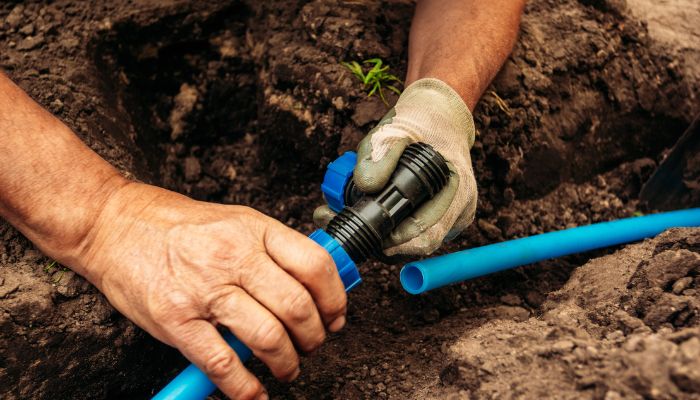
Installing a French drain in your yard is a simple, cost-effective way to fix drainage issues and prevent water damage. This guide walks you through the essential steps—from planning and digging to laying the pipe and backfilling—so you can solve standing water problems quickly and efficiently, even with basic DIY skills. Tools and Materials Needed to Install a French Drain Before you start, gather the necessary tools and materials: Shovel or trenching machine Gravel or crushed stone Perforated pipe Landscape fabric Wheelbarrow Level Stakes and string Safety gear (gloves, goggles, etc.) 9 Steps Installing a French Drain in the Yard 1. Plan the Drainage Path Start by determining where the water collects and where you want it to go. Use stakes and string to mark the drainage path. Ideally, the trench should lead to a lower area in your yard, a drainage ditch, or a dry well. Ensure the path avoids utility lines and other underground obstacles. 2. Measure the Slope For a French drain to work effectively, it needs to have a slight slope that encourages water to flow. A slope of 1% (1 foot of drop for every 100 feet of length) is usually sufficient. Use a level and measuring tape to ensure the trench has the correct gradient. 3. Dig the Trench Using a shovel or trenching machine, dig a trench along the marked path. The trench should be about 18 to 24 inches deep and 12 inches wide. Adjust the depth if needed, depending on the severity of your drainage issue. 4. Add Landscape Fabric Line the trench with landscape fabric. This step is crucial as it prevents soil from clogging the gravel and perforated pipe. Leave enough fabric on either side to wrap over the top of the gravel layer later. 5. Lay the Gravel Base Add a layer of gravel or crushed stone at the bottom of the trench. This layer should be about 2 to 3 inches deep. Use a wheelbarrow to transport the gravel and a rake to spread it evenly. 6. Install the Perforated Pipe Place the perforated pipe on top of the gravel layer with the holes facing downward. The perforations allow water to enter the pipe, while gravity and the slope help it flow away. Connect multiple pipe sections using couplers, if necessary. 7. Cover the Pipe with Gravel Add more gravel on top of the pipe, filling the trench to within a few inches of the ground level. This gravel layer promotes drainage and prevents soil from directly clogging the pipe. 8. Wrap the Landscape Fabric Fold the excess landscape fabric over the top of the gravel layer. This step further prevents soil intrusion, keeping the French drain functional for years. 9. Backfill the Trench Cover the trench with the soil you initially removed, leaving the surface slightly mounded to allow for natural settling over time. You can also add grass seed or sod to restore the appearance of your yard. Conclusion Building a French drain in your yard is a cost-effective way to solve drainage problems and protect your property. By following the steps outlined above, you can create a reliable system that efficiently redirects water away from your home and yard. If you’re not comfortable taking on the project yourself, consider consulting a French drain service to ensure a successful installation. With proper planning and maintenance, your French drain will keep your yard dry and functional for years to come.

Guide to Commercial Drainage Systems

The Ultimate Guide to Commercial Drainage Systems

Commercial drainage systems are the unsung heroes of modern infrastructure, quietly managing wastewater and stormwater to keep businesses running smoothly and safely. Whether you’re overseeing a commercial property, managing a facility, or planning a new construction project, understanding how these systems work is crucial for long-term efficiency and compliance. In this complete guide, we’ll break down the key components, common challenges, and best practices to help you navigate the world of commercial drainage with confidence. Why Are Commercial Drainage Systems Important? Commercial drainage systems play a crucial role in managing water flow and preventing water accumulation around buildings. They ensure that rainwater, groundwater, and wastewater are efficiently removed from the premises, reducing the risk of structural damage, mold growth, and other related issues. Proper drainage systems also help in maintaining the safety and usability of outdoor areas, such as parking lots and walkways. Types of Commercial Drainage Systems 1. Surface Drainage Systems Surface drainage systems are designed to remove excess water from the ground surface. These systems include: Catch Basins: These are large receptacles that collect rainwater from paved surfaces like parking lots and roads. Channel Drains: Also known as trench drains, these are linear drains used to manage water flow in large paved areas. Grated Drains: Typically found in pedestrian areas, these drains prevent water accumulation on walkways and entryways. 2. Subsurface Drainage Systems Subsurface drainage systems are installed below the ground to manage water that seeps into the soil. These systems include: French Drains: A common subsurface solution, French drains consist of a perforated pipe surrounded by gravel. They collect and redirect groundwater away from the property. Drainage Tiles: These are perforated pipes laid underground to facilitate the movement of water away from the building foundation. Sump Pumps: Installed in basements or low-lying areas, sump pumps remove accumulated water and prevent flooding. 3. Downspout Drainage Systems Downspout drainage systems manage rainwater from rooftops. They include: Downspout Extensions: These extend the downspout away from the building foundation, preventing water from pooling near the structure. Rain Gardens: These are landscaped areas designed to absorb rainwater from downspouts and other sources. Maintenance Tips of Commercial Drainage Systems Regular maintenance is essential to ensure the efficiency and longevity of drainage systems. Here are some key maintenance practices: 1. Regular Inspections Conduct routine inspections to identify any clogs, cracks, or other issues in the drainage system. Pay special attention to catch basins, channel drains, and downspouts. 2. Cleaning and Debris Removal Clear debris from surface drains and catch basins to prevent blockages. Regularly clean channel drains and grate covers to ensure proper water flow. 3. Repair and Replacement Promptly repair any damaged components of the drainage system. Replace worn-out parts, such as cracked pipes or damaged sump pumps, to maintain system efficiency. 4. Sump Pump Maintenance Test sump pumps regularly to ensure they are functioning correctly. Clean the sump pit and check the pump’s discharge line for obstructions. Tips for Preventing Water Damage 1. Proper Installation Ensure that drainage systems are properly installed by qualified professionals. Poor installation can lead to inefficiencies and potential water damage. 2. Landscape Management Design landscaping to direct water away from the building. Avoid planting trees and shrubs too close to the foundation, as their roots can interfere with drainage systems. 3. Grade the Land Ensure that the land around the building slopes away from the foundation. This prevents water from pooling near the structure and seeping into the basement or lower levels. 4. Gutter Maintenance Keep gutters clean and free of debris to prevent water overflow. Ensure that downspouts are directed away from the building foundation. 5. Regular System Upgrades As drainage technology advances, consider upgrading your systems to more efficient and effective commercial drainage solutions. Modern drainage systems can better handle heavy rainfall and minimize water damage risks. Conclusion Properly designed and maintained commercial drainage systems are crucial for preventing water damage. By understanding the types of drainage systems, performing regular maintenance, and implementing preventive measures, you can protect your commercial property from costly water-related issues. Invest in a reliable drainage system and stay proactive in its upkeep to ensure the safety and longevity of your building.

Where Does the Water Go In a French Drain

Where Does the Water Go From a French Drain?

Water from a French drain typically flows to one of three places: a storm drain, a dry well, or a lower area on your property where it can safely disperse. The system collects excess water through a perforated pipe buried in gravel and redirects it away from your home’s foundation or soggy yard. The exact discharge point depends on your property layout, local regulations, and the system’s design. Where Does the Water Go From French Drain? Now that we’ve laid the groundwork, let’s address the big mystery: where does all that water go once it’s in the French drain? Well, there are a few possible destinations, depending on your specific setup: 1. Storm Drains In many urban and suburban areas, French drains are connected to the city’s storm drainage system. Once the water makes its way through the pipe, it’s discharged into a storm drain, where it continues its journey away from your property. This is an efficient solution, especially in places where heavy rainfall is common. 2. Dry Wells If you don’t have access to a storm drain, a dry well might be your best bet. A dry well is basically an underground pit filled with gravel or other porous materials. The water flows into the dry well and gradually soaks into the surrounding soil. It’s like nature’s sponge, absorbing the excess water without leaving any surface puddles. 3. Low-Lying Areas Sometimes, French drains are designed to direct water to a lower part of your property where it can safely collect without causing any damage. This might include a retention pond, a ditch, or a drainage swale. The idea here is to keep the water far away from your home’s foundation or any other vulnerable areas. 4. Septic Fields or Gardens For environmentally conscious homeowners, French drains can be used to route water to septic systems or rain gardens. Rain gardens, for instance, are specially designed to absorb and filter runoff water, making them both practical and eco-friendly. How Does a French Drain Work? To really understand where the water goes, we need to first unpack how a French drain works. Think of it as a traffic system for water. Instead of letting rainwater sit and create chaos, the drain’s perforated pipe acts like a super-efficient highway, directing water away to a better spot. Here’s how the process unfolds step by step: Water Collection: When it rains or when water builds up in a low-lying area, it naturally flows downward. A French drain intercepts this water and channels it into the trench filled with gravel. The gravel helps filter out debris while letting water flow freely into the pipe below. Water Flow: The perforated pipe at the bottom of the trench is the star of the show. It has tiny holes along its length, allowing water to seep in and be carried along its path. Think of it like a conveyor belt for rainwater. Water Discharge: The water is guided to an exit point, also known as the “drainage outlet.” This is where things get interesting—because where the water goes depends on your property and the drain’s design. Why Is a Properly Installed French Drain Important? Here’s the thing: for a French drain to work effectively, it needs to be installed correctly. This isn’t just about digging a trench and tossing in some gravel—it’s about ensuring the system has the right slope, pipe placement, and outlet destination. A poorly installed French drain can actually create more problems than it solves. If you’re considering a French drain installation in Jacksonville, it’s worth hiring a professional to get the job done right. With Jacksonville’s mix of sandy soils and heavy rainfall, having a well-thought-out drainage solution is crucial. A professional will evaluate your property’s unique drainage needs and design a system that prevents water from becoming an ongoing headache. Signs You Might Need a French Drain Not sure if a French drain is the answer for your water woes? Here are a few telltale signs that it might be time to consider this drainage solution: 1. Persistent Puddles: If you’re dealing with standing water in your yard after every rainstorm, that’s a major red flag. 2. Basement Flooding: Water seeping into your basement or crawl space is often a sign that your property’s drainage system isn’t cutting it. 3. Soil Erosion: If water runoff is washing away parts of your lawn or landscaping, a French drain can help control the flow. 4. Mold and Mildew: Excess moisture around your foundation can lead to mold growth—a problem no homeowner wants to deal with. If you’re struggling with drainage issues, a French drain might just be the perfect solution to reclaim your yard and protect your home. Don’t hesitate to explore professional services to ensure the job is done right. After all, when it comes to your home, peace of mind is worth every penny. When it rains, you want to enjoy the soothing sound of droplets on your roof—not the headache of a flooded yard. With a French drain, you can finally give your property the drainage solution it deserves. FAQs 1. Does a French drain need an outlet?Yes, every French drain needs an outlet to allow water to discharge. Without one, water will eventually back up or pool in the drain trench. 2. Can a French drain just end underground?Only if it ends in a properly designed dry well or underground basin. Otherwise, water has nowhere to go and can cause soil saturation or damage. 3. How deep should a French drain be to work properly?Most residential French drains are 18–24 inches deep, but depth may vary depending on slope, water table, and drainage goals. 4. Will a French drain prevent yard flooding?Yes, when properly installed, a French drain helps redirect excess groundwater away from flood-prone areas, keeping your yard drier. 5. Do French drains work in heavy rain?They can handle moderate to heavy rainfall if correctly designed with proper slope, pipe diameter, and an adequate outlet. 6. Can I

Advanced Solutions to Protect Your Home From Water Damage

Most Advanced Solutions to Protect Your Home From Water Damage

Water damage is one of the most destructive and costly issues homeowners face. Whether caused by heavy rainfall, flooding, or plumbing failures, excess moisture can lead to structural damage, mold growth, and loss of valuable possessions. Implementing proactive measures, including effective yard drainage solutions, can help safeguard your home from potential water-related disasters. In this blog, we explore the most advanced solutions available to protect your home from water damage and ensure long-term security. 10 Drainage Solutions to Protect a House From Water Damage 1. Smart Water Leak Detection Systems Technology has significantly advanced in home protection, with smart water leak detection systems leading the charge. These devices use sensors to monitor moisture levels in critical areas, such as basements, under sinks, and around water heaters. If an abnormal moisture level is detected, the system immediately notifies homeowners via a mobile app, allowing for quick action to prevent damage. Some systems even integrate with smart home platforms to automatically shut off the main water supply in case of a major leak. 2. Advanced Waterproofing Solutions Waterproofing your home is an essential step in preventing water damage. Modern waterproofing techniques go beyond traditional sealants and coatings. Some of the most effective options include: Exterior Waterproofing Membranes: Applied to the foundation, these flexible and durable membranes create a barrier against moisture infiltration. Interior Sealants and Waterproof Coatings: Used on basement walls and floors, these materials help prevent moisture seepage from the ground. Crystalline Waterproofing: This technology involves compounds that penetrate concrete to form crystals that block water passage, providing long-term protection. 3. Sump Pump Systems with Battery Backup A sump pump is a crucial defense against basement flooding, especially in areas prone to heavy rainfall. Advanced sump pumps come with features such as: Battery Backup Systems: Ensure functionality even during power outages. Wi-Fi Connectivity: Alerts homeowners of potential failures or excessive water levels. Dual Pump Systems: Provide extra security in case one pump fails or water levels rise rapidly. Installing a high-capacity sump pump with these advanced features significantly reduces the risk of basement flooding. 4. French Drains and Modern Drainage Systems An effective drainage system is key to directing excess water away from your home. French drains, a popular solution, consist of a perforated pipe surrounded by gravel that redirects water away from the foundation. Modern upgrades include: Geo-Textile Fabric Wrapping: Prevents soil and debris from clogging the drain. Sloped Drainage Pipes: Ensure efficient water flow. Automated Drainage Pumps: Move water efficiently in low-lying areas where gravity drainage is insufficient. A perfect pipe can successfully run your drainage systems for a long term. 5. Smart Irrigation Systems to Prevent Overwatering Overwatering your lawn can lead to water pooling around your home’s foundation, increasing the risk of damage. Smart irrigation systems use weather data, soil sensors, and automation to regulate water distribution effectively. These systems can: Adjust watering schedules based on real-time weather conditions. Prevent excessive runoff that could contribute to soil erosion. Ensure optimal moisture levels to protect both landscaping and foundation integrity. 6. Gutter Protection and Advanced Downspouts A well-maintained gutter system is essential for directing rainwater away from your home. Modern solutions include: Gutter Guards: Prevent leaves, debris, and pests from clogging gutters. Seamless Gutters: Reduce the chances of leaks and breakage. Extended Downspouts with Underground Drainage: Direct water far from the foundation to prevent pooling and erosion. Regularly cleaning and upgrading gutters with these advanced features can prevent costly water damage repairs. 7. Flood Barriers and Water-Resistant Landscaping For homes in flood-prone areas, investing in flood barriers and strategic landscaping can provide extra protection. Options include: Inflatable Flood Barriers: These barriers can be deployed quickly to block water from entering your home. Permeable Paving: Allows water to seep through, reducing surface runoff. Rain Gardens: Absorb excess water and redirect it away from the foundation. Retaining Walls: Help control water flow and prevent soil erosion. 8. Moisture-Resistant Building Materials Modern construction materials offer superior resistance to moisture-related damage. Some of the best choices include: Waterproof Drywall (Green Board or Cement Board): Ideal for bathrooms, basements, and flood-prone areas. Composite or Treated Wood: Prevents rot and warping caused by moisture. Water-Resistant Insulation (Closed-Cell Spray Foam): Acts as both insulation and a moisture barrier, preventing mold growth. Using these materials can significantly enhance your home’s ability to withstand moisture exposure. 9. Automated Shutoff Valves for Plumbing Protection A burst pipe can cause extensive damage within minutes. Automated shutoff valves detect unusual water flow patterns and shut off the main water supply to prevent flooding. These valves can: Be controlled remotely via smartphone apps. Detect small leaks before they become major problems. Integrate with home automation systems for added security. Installing these valves provides peace of mind and prevents potential water damage disasters. 10. Regular Home Maintenance and Inspections While advanced solutions play a crucial role in water damage prevention, regular home maintenance remains essential. Key maintenance practices include: Inspecting roofs for leaks, missing shingles, and damaged flashing. Checking plumbing systems for leaks, corrosion, and weak connections. Ensuring basement and crawl spaces remain dry with proper ventilation. Sealing windows, doors, and foundation cracks to prevent water intrusion. By combining cutting-edge technology with diligent maintenance, homeowners can ensure their properties remain well-protected from water damage. Final Thoughts Water damage can have devastating consequences, but with the most advanced solutions available today, homeowners can effectively mitigate risks. From smart leak detection and automated shutoff valves to advanced waterproofing and drainage systems, there are numerous ways to enhance home protection. Investing in these technologies and implementing regular maintenance practices can save homeowners from costly repairs and ensure long-term property security. By adopting these proactive measures, you can safeguard your home against water-related threats and enjoy peace of mind, knowing that your property is well-defended against potential water damage.

Types of Backyard Drainage Systems

The Best Types of Backyard Drainage Systems

A well-maintained backyard is a great asset to any home. However, excess water from rain, irrigation, or groundwater can create drainage problems, leading to muddy patches, erosion, and even foundation damage. To prevent these issues, homeowners must implement effective drainage solutions. This article will explore the best types of backyard drainage systems and how they can help maintain a functional and aesthetically pleasing outdoor space. Why Backyard Drainage Matters? Proper drainage is essential for preserving the health of your lawn and preventing structural damage. Poor drainage can lead to water pooling, which may encourage mold growth, attract pests, and weaken your home’s foundation. By installing an appropriate drainage system, homeowners can redirect excess water efficiently, ensuring a dry and usable backyard space. 1. French Drains A French drain is one of the most effective and commonly used drainage systems. It consists of a perforated pipe buried in a gravel-filled trench, allowing water to seep in and be directed away from the property. Benefits: Prevents water from pooling Protects foundations from water damage Minimizes soil erosion Works well in both small and large yards French drains are ideal for properties experiencing water accumulation in low-lying areas. The system collects water and channels it toward a designated drainage point, keeping the backyard dry. 2. Dry Wells A dry well is a subsurface structure that collects and slowly disperses excess water into the surrounding soil. This system is useful for areas where water tends to pool but cannot be easily directed elsewhere. Benefits: Reduces soil saturation Prevents surface flooding Environmentally friendly by promoting groundwater recharge Homeowners can install dry wells at the lowest points of their yard to ensure proper drainage while preserving the natural landscape. 3. Channel Drains Also known as trench drains, channel drains are linear drainage systems that capture surface water and direct it away through underground pipes. These are commonly used in driveways, patios, and pool decks to prevent water from accumulating in unwanted areas. Benefits: Quick removal of surface water Ideal for high-traffic areas Prevents water damage to paved surfaces Installing channel drains along walkways and paved surfaces ensures that water does not create slippery conditions or damage hardscaping elements. 4. Rain Gardens Rain gardens are a natural and aesthetically pleasing drainage solution. They consist of strategically placed plants and soil layers designed to absorb and filter excess rainwater. Benefits: Enhances landscape beauty Supports local wildlife and pollinators Reduces runoff and soil erosion By incorporating native plants that thrive in wet conditions, rain gardens provide an eco-friendly approach to managing backyard water issues. 5. Swales Swales are shallow, sloped trenches designed to direct water away from structures while allowing gradual absorption into the ground. These are especially useful in large yards with mild slopes. Benefits: Prevents erosion by slowing water flow Encourages groundwater infiltration Can be integrated with landscaping for a natural look Swales are a cost-effective way to manage drainage without requiring extensive underground piping. 6. Permeable Pavers Permeable pavers are specially designed paving materials that allow water to seep through, reducing runoff and promoting soil absorption. They are ideal for driveways, patios, and walkways. Benefits: Reduces surface water accumulation Environmentally friendly Low-maintenance and durable By replacing traditional concrete or asphalt with permeable pavers, homeowners can improve drainage without compromising aesthetics. 7. Sump Pumps For properties with severe drainage problems, a sump pump can be a necessary solution. These pumps collect and remove excess water from low-lying areas, especially in basements and crawl spaces. Benefits: Prevents basement flooding Protects foundations from water damage Automatically activates when water levels rise Although sump pumps require electricity to function, they are a reliable option for homes in flood-prone areas. Conclusion Effective backyard drainage systems are essential for maintaining a healthy, functional, and visually appealing outdoor space. From French drains and dry wells to rain gardens and permeable pavers, there are various options to suit different needs and budgets. By investing in the right drainage system, homeowners can prevent water-related issues, protect their property, and enhance their landscaping. If persistent drainage problems arise, seeking professional guidance ensures a long-lasting and efficient solution.

How French Drain Works for Complex Drainage Problems

How a French Drain Works for Complex Drainage Problems?

Managing water on your property can be a complex challenge, especially if you’re dealing with issues like basement flooding, water pooling in your yard, or foundation damage. Without proper drainage solutions, these problems can lead to costly repairs and ongoing headaches. One of the most effective and straightforward solutions to these issues is a French drain. This simple yet powerful system has been used for decades to redirect water away from problem areas, offering long-term protection for your home and landscape. What Is a French Drain? A French drain is a trench filled with gravel or rock that houses a perforated pipe. This pipe is designed to collect and redirect water away from areas where it could cause damage. The system works by allowing water to enter the pipe through the small holes, where it is then carried away to a designated drainage area, such as a dry well or storm drain. The gravel around the pipe helps filter out debris and keeps the system functioning efficiently. How Does a French Drain Works? The principle behind a French drain is simple: water follows the path of least resistance. By creating a channel that’s easy for water to flow through, the French drain system effectively diverts water away from problem areas. As water enters the trench, it seeps into the perforated pipe and is guided away from the home or yard, preventing it from pooling and causing damage. Gravity plays a crucial role in this process, helping to move water downhill and out of harm’s way. Common Drainage Problems Solved by French Drains 1. Preventing Basement Flooding Basement flooding is a common issue, especially in areas with heavy rainfall or poor drainage. Water that accumulates around your home’s foundation can seep into the basement, leading to water damage, mold growth, and structural issues. A French drain installed around the perimeter of your home can effectively prevent this by redirecting water away from the foundation and keeping your basement dry. 2. Eliminating Water Pooling in Yards Water pooling in your yard can kill grass, damage landscaping, and create a muddy mess. It can also attract pests like mosquitoes. A French drain can be installed in low-lying areas of your yard to collect and redirect this excess water, improving drainage and keeping your lawn healthy and dry. 3. Protecting Foundations from Water Damage Water that isn’t properly managed can cause serious damage to your home’s foundation. Over time, water can erode the soil around the foundation, causing cracks, shifting, and even structural failure. French drains protect your foundation by ensuring that water is directed away from the base of your home, reducing the risk of long-term damage. Types of French Drains 1. Surface French Drains Surface French drains are designed to capture and divert surface water before it can seep into the ground. These drains are typically used in areas with poor soil drainage or where water tends to pool. Surface drains are ideal for addressing issues like waterlogged lawns or driveways, and they can be easily integrated into landscaping. 2. Subsurface (or Trench) French Drains Subsurface French drains, also known as trench drains, are installed below the surface to manage groundwater. These drains are particularly effective for preventing basement flooding and protecting foundations. The trench is typically lined with a fabric barrier to prevent soil from entering the pipe, ensuring the system remains effective over time. 3. Interior French Drains for Basements Interior French drains are installed inside the basement, typically along the perimeter of the foundation walls. These drains work by collecting water that seeps into the basement and directing it to a sump pump, which then pumps the water out and away from the house. Interior French drains are a popular solution for homes with recurring basement moisture problems. Step-by-Step Installation Guide of a French Drain Installing a French drain involves several key steps: Step1: Planning and Design Determine the best location for the drain, ensuring that it will effectively divert water away from your home. Step2: Digging the Trench Dig a trench along the desired path, making sure it has a slight slope to allow for proper water flow. Step3: Laying the Pipe Place a perforated pipe in the trench, ensuring the holes are facing downward. This allows water to enter the pipe and flow away from the area. Step4: Adding Gravel Cover the pipe with gravel or crushed stone, which helps filter water and prevent debris from entering the pipe. Step5: Covering the Trench Finally, cover the gravel with landscape fabric to prevent soil from clogging the drain, then backfill the trench with soil. Benefits of Installing a French Drain 1. Long-Term Protection Against Water Damage One of the most significant benefits of a French drain is its ability to provide long-term protection against water damage. By effectively managing water, French drains reduce the risk of basement flooding, foundation damage, and landscape erosion, saving you from costly repairs in the future. 2. Enhancing Property Value Proper drainage is a critical aspect of maintaining your property’s value. Homes with effective water management systems, like French drains, are more attractive to potential buyers and can command higher prices. Installing a French drain is an investment in your property’s long-term health and value. 3. Low Maintenance and High Efficiency Once installed, French drains require minimal maintenance. Regular inspections to ensure the drain is free of debris and functioning correctly are usually all that’s needed. Their simplicity and efficiency make French drains a reliable and cost-effective solution for water management. Signs You Need a French Drain There are several signs that you may need a French drain, including frequent basement flooding, water pooling in your yard, and visible water damage to your foundation. If you notice any of these issues, it’s worth considering a French drain as a solution. Conclusion Effective drainage is essential for maintaining the health and safety of your property. French drains offer a straightforward and reliable solution to complex drainage problems, providing long-term protection and peace of

Why French Drains a Good Drainage Solution for Any Property

Why French Drains Are the Pleasing Drainage Solution for Your Property?

When it comes to managing water on your property, finding a solution that is both effective and aesthetically pleasing can be challenging. French drains, however, offer the perfect balance. These systems are not only highly efficient at directing water away from your home and landscape but also seamlessly blend into your surroundings, enhancing the overall appearance of your property. The Growing Need for Effective and Aesthetic Drainage Solutions As more homeowners and property managers prioritize both functionality and design, the demand for drainage solutions that do not compromise on aesthetics has increased. Traditional drainage systems, like surface drains or gutters, often disrupt the visual harmony of a landscape. In contrast, French drains provide an unobtrusive solution that not only manages water effectively but also enhances the visual appeal of your outdoor space. How French Drains Enhance Landscape Design? One of the key advantages of French drains is their ability to blend seamlessly into your landscape. Unlike bulky or unsightly drainage systems, French drains can be designed to complement your garden, lawn, or driveway. The use of decorative gravel or stones in the trench allows the drain to serve as a visual feature rather than an eyesore, adding texture and interest to your landscape. Integrating French Drains with Existing Landscape Features French drains are highly versatile and can be easily integrated with other landscape features such as walkways, flower beds, and retaining walls. By aligning the trench with existing design elements, you can create a cohesive and harmonious outdoor space. Whether you have a modern, minimalist garden or a lush, traditional landscape, a French drain can be customized to match your aesthetic preferences. Customizing the Look of Your French Drain One of the greatest benefits of French drains is the ability to customize their appearance. From choosing the type and color of the gravel to selecting the placement of the drain, you have the flexibility to design a drainage system that enhances your property’s curb appeal. For a more natural look, consider using river rocks or pea gravel, which can blend in with the surrounding landscape. Functional Benefits of French Drains 1. Efficient Water Management While French drains are known for their visual appeal, their primary function is to manage water efficiently. By redirecting water away from areas where it could cause damage, French drains help prevent erosion, flooding, and foundation issues. The perforated pipe within the trench allows water to flow through easily, ensuring that your property stays dry even during heavy rainfall. 2. Protecting Your Property from Water Damage Water damage can lead to costly repairs and long-term issues such as mold and structural instability. French drains are an effective solution for protecting your property from these risks. By guiding water away from your foundation and other vulnerable areas, French drains help maintain the integrity of your home and landscape. 3. Low Maintenance and Long-Lasting Solution Another advantage of French drains is their low maintenance requirements. Once installed, they require minimal upkeep, allowing you to enjoy a functional and beautiful landscape without constant maintenance. With proper installation, French drains can last for decades, making them a cost-effective solution for long-term water management. Comparing French Drains to Other Drainage Solutions French Drains vs. Surface Drains Surface drains, such as grates or channels, are effective at collecting and diverting water but can be visually intrusive. French drains, on the other hand, are less obtrusive and can be integrated more naturally into the landscape. While surface drains may be necessary in certain situations, French drains offer a more aesthetically pleasing alternative for most residential applications. French Drains vs. Swales and Ditches Swales and ditches are common drainage solutions in larger landscapes, but they require more space and can disrupt the natural flow of your yard. French drains provide a more compact solution that can be installed in smaller areas without compromising the overall design. Additionally, French drains can be more visually appealing, with the option to cover the trench with decorative gravel or stone. Why French Drains Stand Out in Aesthetic and Functional Design? French drains combine the best of both worlds: functionality and aesthetics. Unlike other drainage solutions that may detract from your property’s appearance, French drains can enhance the visual appeal of your landscape while effectively managing water. Their versatility, low maintenance, and customizable design make them a superior choice for homeowners seeking a drainage solution that doesn’t compromise on beauty. Incorporating French Drains into Garden Design French drains can be an integral part of your garden design. For example, you can use them to define garden beds, create pathways, or add a visual border to your lawn. By incorporating the drain into the overall design of your garden, you can achieve a cohesive and visually pleasing landscape that also meets your drainage needs. Case Studies: Beautiful and Functional French Drains 1. Residential Landscapes Many homeowners have successfully integrated French drains into their residential landscapes, transforming functional drainage solutions into attractive garden features. For instance, a homeowner might install a French drain along the perimeter of their lawn, using decorative stones to create a natural-looking border that enhances the yard’s visual appeal. 2. Commercial Properties French drains are also a popular choice for commercial properties, where maintaining a professional and attractive appearance is essential. By installing French drains in parking lots, along walkways, or around building foundations, business owners can manage water effectively while maintaining a clean and polished exterior. 3. Public Spaces and Parks In public spaces and parks, French drains can be used to control water flow and prevent erosion without disrupting the natural beauty of the environment. By using natural materials and strategic placement, these drains can be designed to blend in with the landscape, ensuring that the space remains both functional and visually appealing. Final Thoughts If you’re in need of a drainage solution that won’t compromise the beauty of your landscape, consider installing a French drain. With the right materials, design, and installation, you can create a drainage system that not only protects your

home Drainage Problems

Effective Drainage Solutions for St. Johns: Insights from Local Experts

St. Johns, Florida, with its picturesque landscapes and seasonal rains, often faces unique drainage challenges. Effective drainage solutions are crucial for homeowners to prevent water damage, maintain property value, and ensure a safe living environment. This article explores common drainage issues in St. Johns, provides insights from local experts, and discusses effective solutions to keep your property dry and safe. Common Drainage Problems in St. Johns St. Johns’ specific climate and geographical conditions contribute to various drainage issues. These problems can range from minor inconveniences to significant hazards. Seasonal Heavy Rainfall: The area experiences heavy rains, especially during the hurricane season, leading to frequent flooding. Poor Soil Absorption: The local soil composition often struggles to absorb water efficiently, exacerbating drainage issues. Improper Landscaping: Incorrect landscaping and grading can cause water to pool around the property. Blocked Drainage Systems: Debris buildup and wear-and-tear can impede the functionality of existing drainage systems. Signs You Need Professional Drainage Solutions Identifying the need for professional drainage solutions is essential to preventing extensive damage. Look for these signs: Persistent Water Pooling: Standing water in your yard or near your foundation indicates drainage problems. Flooded Basements or Crawl Spaces: Water infiltration in these areas is a significant red flag. Soil Erosion: Erosion and landscaping damage often result from improper water drainage. Mold and Mildew: Unpleasant odors and mold growth signal excessive moisture and inadequate drainage. Types of Drainage Solutions Different problems require tailored solutions. Here are some common types of drainage solutions available: Surface Drainage Systems Swales and Contouring: These methods redirect surface water away from your home using natural or artificial channels. French Drains: These underground systems collect and redirect water using perforated pipes. Catch Basins: These structures capture surface water and channel it away from the property. Subsurface Drainage Systems Perforated Pipe Systems: Installed below ground, these pipes help manage groundwater levels. Sump Pumps: These pumps remove water that accumulates in a sump basin, typically found in basements. Landscaping Solutions Rain Gardens: These gardens use native plants to absorb rainwater, reducing runoff. Proper Grading and Sloping: Ensuring your property slopes away from your home prevents water accumulation. Gutter and Downspout Solutions Installation and Maintenance: Regular maintenance ensures gutters and downspouts effectively direct water away from your home. Extensions and Splash Blocks: These additions help manage the water flow from downspouts to prevent pooling. Benefits of Professional Drainage Services Hiring professionals for drainage solutions offers numerous benefits: Accurate Assessment and Diagnosis: Experts can identify the root cause of drainage problems. Customized Solutions: Professionals design solutions specific to your property’s needs. High-Quality Materials and Installation: Expert services use durable materials and ensure proper installation. Long-Term Effectiveness: Professional solutions are designed to provide lasting results. Insights from Local Experts Local experts in St. Johns offer invaluable insights into effective drainage solutions. Here are some tips from seasoned professionals: Understand Local Weather Patterns: Knowing when heavy rains are likely can help in preparing your drainage systems. Regular Maintenance is Key: Keeping gutters, downspouts, and drainage systems clear of debris is essential. Invest in Quality Systems: While initial costs may be higher, quality drainage systems save money in the long run by preventing damage. Landscaping Matters: Properly designed landscapes not only enhance beauty but also improve drainage efficiency. Steps to Implement Effective Drainage Solutions Implementing drainage solutions involves several key steps: Initial Consultation and Site Assessment: Experts evaluate your property to identify problems. Design and Planning: Based on the assessment, they design a customized solution. Installation and Implementation: Professional installation ensures the system works correctly. Regular Maintenance and Inspection: Ongoing maintenance keeps your drainage system functioning effectively. Conclusion Effective drainage solutions are vital for maintaining a safe and dry property in St. Johns, Florida. Recognizing the signs of drainage problems and seeking professional help can prevent costly damage and ensure long-term protection for your home. Investing in expert drainage services will provide peace of mind and preserve your property’s value. FAQs What are the most common drainage problems in St. Johns? Heavy rainfall, poor soil absorption, improper landscaping, and blocked drainage systems are prevalent issues. How can I tell if my home needs professional drainage solutions? Signs include persistent water pooling, basement flooding, soil erosion, and mold growth. What is the difference between surface and subsurface drainage? Surface drainage deals with water on the ground’s surface, while subsurface drainage manages groundwater. How often should drainage systems be inspected and maintained? Regular inspections and maintenance are recommended annually or after significant weather events.

home Drainage Problems in Florida

Top Drainage Solutions for Florida Homeowners: Protect Your Property from Water Damage

Florida homeowners face unique challenges due to the state’s heavy rainfall and flat terrain. Effective drainage solutions are essential to prevent water damage and protect property value. This article explores the top drainage solutions tailored for Florida homes, helping you safeguard your property from the risks of flooding and erosion. Common Drainage Problems in Florida High Rainfall and Storms: Florida’s frequent storms can overwhelm inadequate drainage systems, leading to flooding. Flat Terrain: The lack of natural slopes in many areas makes it difficult for water to drain away naturally. Soil Composition: Florida’s sandy soils can contribute to poor water absorption and increased runoff. Top Drainage Solutions French Drains Description: French drains are trench systems filled with gravel and a perforated pipe that redirects water away from problem areas. Benefits: Effective for managing surface and groundwater, preventing pooling and flooding. Swales Description: Swales are shallow, vegetated channels that redirect water to designated areas. Benefits: They help control runoff, reduce erosion, and promote groundwater recharge. Sump Pumps Description: Sump pumps remove water that accumulates in a sump basin, typically installed in basements or crawl spaces. Benefits: Essential for homes in low-lying areas, preventing basement flooding. Rain Gardens Description: Rain gardens are landscaped areas designed to absorb and filter rainwater. Benefits: They reduce runoff, enhance property aesthetics, and support local ecosystems. Gutter and Downspout Systems Description: Properly maintained gutters and downspouts direct rainwater away from the home’s foundation. Benefits: Prevents water damage to the roof, walls, and foundation. Dry Wells Description: Dry wells are underground structures that collect and disperse stormwater. Benefits: They manage excess water, reducing the risk of surface flooding. Implementing Drainage Solutions Site Assessment: Conduct a thorough assessment to identify problem areas and determine the best solutions. Professional Installation: Hire experienced professionals to ensure proper installation and long-term effectiveness. Regular Maintenance: Schedule regular inspections and maintenance to keep your drainage systems functioning optimally. Conclusion Investing in effective drainage solutions is crucial for Florida homeowners to protect their properties from water damage. By understanding common drainage issues and implementing the right solutions, you can safeguard your home and enhance its value. FAQs What are the signs of poor drainage around my home? Persistent water pooling, soil erosion, and foundation cracks are common indicators. How often should drainage systems be inspected? It is recommended to inspect drainage systems annually and after significant weather events. Can I install drainage solutions myself? While some solutions can be DIY projects, professional installation is recommended for complex systems.

Scroll to Top