
July 2026

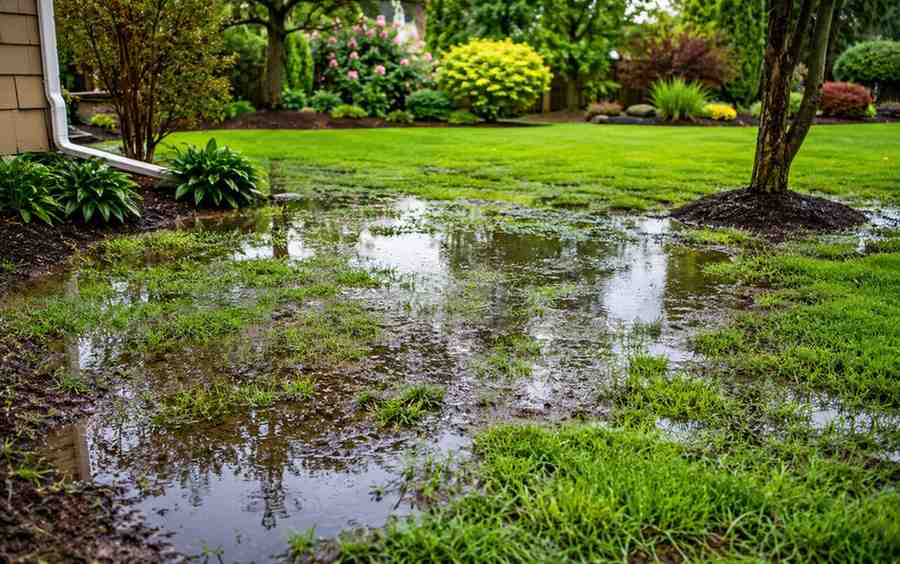
Flooded backyard grass after rain illustrating the need for wet lawn repair and drainage improvements.

How Do I Fix the Problem of My Lawn Staying Wet for Days?

If your lawn stays wet for days after rain or watering, the most common causes are poor soil drainage, compacted ground, improper grading, clogged drains, or excessive irrigation. The best way to fix the problem is to identify where water is collecting, improve soil drainage, redirect excess water with proper drainage systems, and adjust your watering schedule. For long-term results, homeowners often need drainage solutions such as French drains, channel drains, catch basins, or landscape grading to prevent standing water and protect both the lawn and the home’s foundation. A lawn that remains soggy for several days is more than a cosmetic issue. It can kill grass, attract mosquitoes, damage landscaping, and even threaten your property’s foundation if left untreated. Why Does My Lawn Stay Wet for Days? A lawn should begin drying within a day or two after moderate rainfall under normal conditions. If yours remains saturated much longer, there is likely an underlying drainage problem. Common reasons include: Compacted soil that prevents water from soaking into the ground Poor yard grading that directs water toward low spots Heavy clay soil with slow water absorption Broken or clogged drainage systems Excessive irrigation or sprinkler overwatering Downspouts releasing water near the lawn High groundwater levels Natural depressions in the landscape Understanding the root cause is the first step toward effective wet lawn repair. Signs Your Lawn Has a Drainage Problem Watch for these warning signs: Standing water for more than 48 hours Muddy patches after light rainfall Yellow or dying grass Moss growing instead of healthy turf Foul odors from stagnant water Mosquito activity increasing Soil that feels constantly soft underfoot These symptoms indicate your yard is retaining too much moisture and requires attention before permanent damage occurs. How Can You Fix a Lawn That Stays Wet? Most drainage problems can be corrected once the source of excess water is identified. Whether the issue is grading, compacted soil, or runoff, investing in professional lawn drainage solutions can provide a long-lasting fix while protecting your landscaping and property from future water damage. 1. Improve Soil Drainage Compacted soil is one of the leading causes of standing water. Improve soil permeability by: Core aerating the lawn Adding compost or organic matter Mixing sand into heavy clay soils where appropriate Reducing heavy foot traffic Better soil structure allows water to penetrate instead of pooling on the surface, promoting healthy lawn drainage. 2. Regrade the Yard Improper grading causes water to collect in low areas. A properly graded lawn should gently slope away from: Your home’s foundation Patios Walkways Driveways Professional grading ensures rainwater flows naturally toward designated drainage areas instead of remaining trapped. 3. Install a French Drain French drains are among the most effective solutions for persistent lawn drainage problems. They work by: Collecting underground water Moving excess moisture away Preventing soil saturation Protecting landscaping This type of drainage system installation works especially well for yards with recurring wet spots. 4. Add Catch Basins or Channel Drains Surface drainage systems quickly remove rainwater before it pools. Ideal locations include: Driveway edges Low landscape areas Patio borders Walkways Downspout discharge points These systems reduce standing water while protecting nearby structures. 5. Redirect Downspouts Roof runoff often contributes more water than homeowners realize. Extend downspouts so water drains: Several feet away from the home Toward drainage systems Into rain gardens Into designated drainage areas This simple improvement often eliminates recurring soggy areas. 6. Adjust Your Irrigation Schedule Overwatering can mimic drainage problems. To avoid excess moisture: Water early in the morning Skip watering after rainfall Use smart irrigation controllers Water deeply but less frequently Healthy grass needs consistent moisture—not constantly saturated soil. 7. Install Dry Creek Beds or Rain Gardens Natural landscaping solutions can manage excess water while enhancing curb appeal. Benefits include: Improved drainage Reduced erosion Better water filtration Attractive landscape design Support for beneficial plants These eco-friendly solutions work particularly well in larger yards. 8. Remove Thatch Buildup A thick layer of thatch prevents water from entering the soil. Dethatching helps: Improve water penetration Increase oxygen flow Encourage stronger roots Reduce surface runoff Maintaining a healthy lawn starts below the surface. How Long Does It Take to Fix Lawn Drainage Problems? The timeline depends on the severity of the issue. Typical estimates include: Soil aeration: 1 day Drain cleaning: A few hours French drain installation: 1–3 days Yard grading: 1–2 days Complete drainage system installation: Several days for larger properties Most homeowners notice significant improvement after the first major rainfall once the proper drainage solution is installed. Can Wet Lawns Damage Your Home? Yes. Persistent standing water can eventually impact more than your landscaping. Potential risks include: Foundation settlement Basement moisture Mold growth Landscape erosion Pest infestations Sidewalk damage Tree root problems Addressing drainage issues early helps prevent expensive structural repairs later. Special Tips To Preventing Future Lawn Drainage Problems Routine maintenance keeps drainage systems working efficiently. Helpful practices include: Clean gutters regularly Keep drains free of debris Aerate compacted lawns annually Inspect grading after major storms Avoid excessive irrigation Maintain healthy grass roots Schedule periodic drainage inspections Preventive care is often less expensive than repairing water damage. For additional practical tips and proven solutions, read this guide on how to fix common lawn drainage issues to learn more about preventing standing water and improving long-term yard performance. Conclusion If your lawn stays wet for days, the problem usually stems from poor drainage, compacted soil, grading issues, or excessive water accumulation. The right solution depends on identifying the source of the moisture before choosing the appropriate repair method. Whether improving soil, installing drainage systems, redirecting runoff, or correcting grading, addressing the issue promptly protects your lawn, landscaping, and home from costly water damage. When persistent drainage problems continue despite routine maintenance, consulting drainage professionals ensures a customized solution that restores a healthier, drier yard for years to come. Frequently Asked Questions Why does my lawn stay wet even when it hasn’t rained? This often indicates overwatering, poor drainage, leaking irrigation systems,
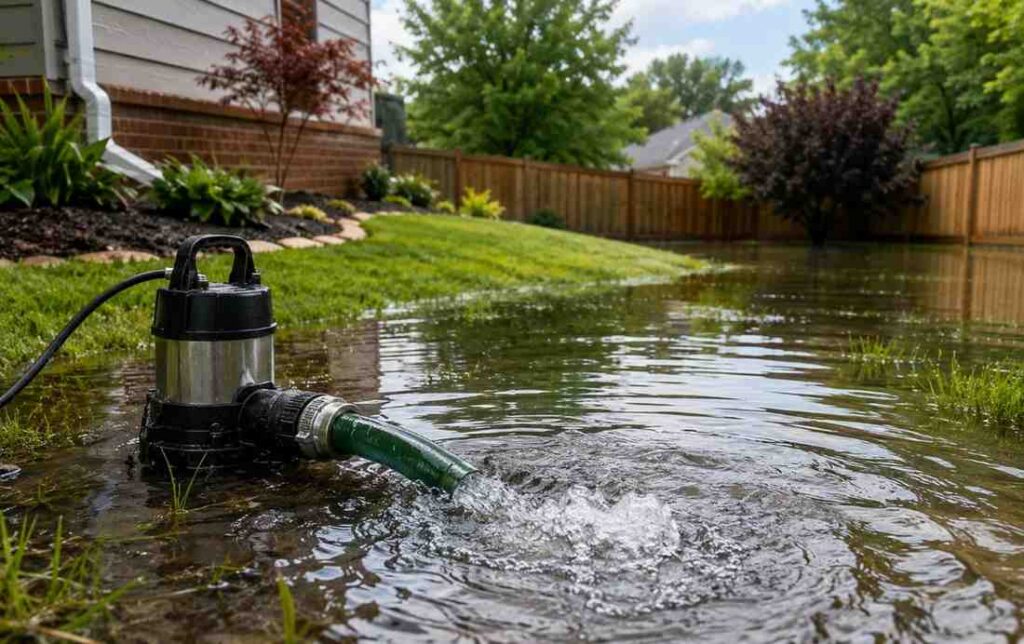
Flooded backyard with standing water and a drainage pump helping remove excess rainwater.

What Is the Fastest Way to Drain a Flooded Yard?

The fastest way to drain a flooded yard is to identify where the water is collecting, remove standing water with a pump if necessary, and install a proper drainage solution such as a French drain, channel drain, or catch basin to redirect excess water away from your property. Long-term improvements like soil grading, surface water drainage systems, and proper stormwater management prevent flooding from happening again. If your yard stays flooded after every heavy rain, it’s a sign that the problem goes beyond temporary puddles and requires a permanent drainage solution. Why Does a Yard Flood So Quickly? A yard floods when rainwater cannot drain or soak into the ground fast enough. Several conditions can contribute to this issue: Poor soil drainage Improper soil grading Heavy clay soil Blocked drainage systems Low spots in the landscape Excessive rainwater runoff Clogged gutters or downspouts High groundwater levels When these problems combine during heavy rainfall, your yard can become a waterlogged yard, making it difficult for water to escape naturally. 8 Fastest Ways to Drain a Flooded Yard Every flooded yard is different, but these solutions provide the quickest results depending on the severity of the problem. 1. Remove Standing Water Immediately If water is pooling near your home, remove it as quickly as possible. Options include: Using a submersible pump Wet vacuum for small areas Buckets for minor flooding Temporary trenches to redirect water safely This helps reduce the risk of lawn damage and protects your home’s foundation while you plan a permanent solution. If flooding is a recurring issue, it is best to request yard drainage service from experienced professionals who can identify the root cause and recommend the most effective drainage system before additional property damage occurs. 2. Install a French Drain A French drain is one of the most effective long-term drainage systems for flooded yards. It consists of: A gravel-filled trench Perforated drainage pipe Proper slope to carry water away French drains collect underground water and redirect it to a safe discharge location, making them ideal for persistent drainage issues. 3. Add a Channel Drain If water frequently collects on patios, driveways, walkways, or pool decks, a channel drain provides rapid surface water drainage. Benefits include: Removes water quickly Prevents slippery surfaces Protects concrete from erosion Works well during heavy storms Channel drains are especially effective in areas with significant water runoff after rain. 4. Improve Soil Grading Sometimes the problem isn’t the amount of rain—it’s the direction the water travels. Proper soil grading ensures water flows away from: Your home’s foundation Sidewalks Outdoor living spaces Landscaping Correct grading is one of the most valuable long-term investments in effective yard drainage. 5. Install Catch Basins Catch basins collect excess surface water before it spreads across your lawn. They work well when: Water pools in one location Downspouts discharge large amounts of water Heavy storms overwhelm existing drainage These systems improve overall stormwater management while reducing standing water. 6. Extend Downspouts Many flooded yards are caused by roof water collecting too close to the house. Extending downspouts helps move rainwater runoff several feet away from your foundation, reducing erosion and flooding. This inexpensive improvement often provides immediate results. 7. Aerate Compacted Soil Over time, soil becomes compacted and absorbs less water. Core aeration creates thousands of small holes that allow water to penetrate deeper into the soil instead of collecting on the surface. This solution works particularly well for lawns with moderate drainage issues. 8. Create Dry Creek Beds Dry creek beds combine drainage with attractive landscaping. Benefits include: Redirect excess water Reduce erosion Improve curb appeal Blend naturally into landscaping They’re especially useful on sloped properties experiencing frequent water runoff. Signs You Need Professional Yard Drainage Some drainage problems cannot be solved with DIY methods. Contact a professional drainage contractor if you notice: Water standing for more than 24 hours Flooding after every storm Soft, muddy lawn year-round Water entering your basement or crawl space Foundation cracks Mold or mildew around your home Dead grass caused by oversaturation Professional inspections often reveal hidden drainage issues that homeowners may overlook. Can Flooded Yards Damage Your Home? Yes. Standing water affects much more than your lawn. Long-term flooding can cause: Foundation settlement Basement leaks Landscape erosion Mold growth Mosquito breeding Damaged plants and trees Cracked driveways Structural moisture problems requiring waterproofing Ignoring drainage issues usually leads to more expensive repairs over time. For a deeper understanding of the long-term financial impact, read our guide on hidden costs of ignoring poor yard drainage. How to Prevent Yard Flooding in the Future? Preventing flooding is much easier than repairing damage. Consider these preventive measures: Install a French drain Maintain gutters regularly Clean drainage pipes Improve lawn grading Extend downspouts Add catch basins Install channel drains Plant deep-rooted vegetation Schedule routine drainage inspections A comprehensive drainage plan provides lasting protection for your property. Why Professional Drainage Solutions Work Better? While temporary fixes may remove standing water, they rarely address the underlying cause. Professional drainage experts evaluate: Soil conditions Property slope Drainage patterns Roof runoff Existing drainage systems Water flow after storms This allows them to design a customized solution that keeps your yard dry throughout the year. Conclusion The fastest way to drain a flooded yard is to remove standing water immediately and install the right drainage system based on your property’s conditions. Solutions such as French drains, channel drains, catch basins, improved soil grading, and proper stormwater management provide lasting protection against future flooding. Acting early not only preserves your lawn but also helps protect your home’s foundation, landscaping, and overall value. If your yard floods repeatedly, consulting an experienced drainage contractor is the most effective way to achieve a permanent solution. Frequently Asked Questions What is the quickest way to remove standing water from a yard? Using a submersible pump is the fastest method for removing large amounts of standing water. Permanent drainage improvements should follow to prevent future flooding. How long should water remain in my yard after

Scroll to Top