
June 2026

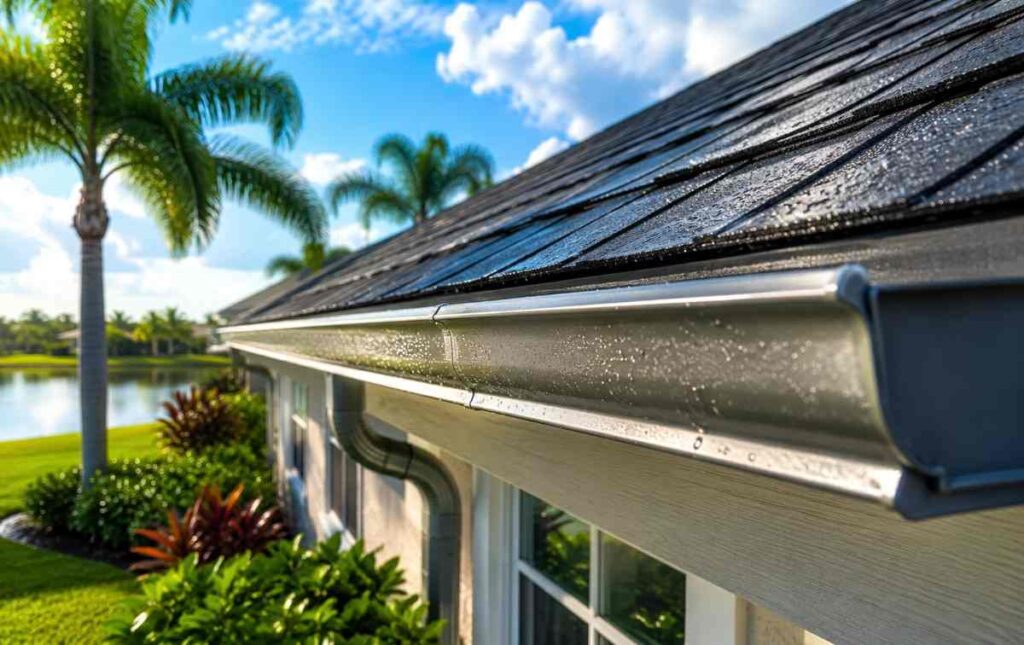
Modern seamless aluminum gutter installed on a Florida home under a bright tropical sky

Best Gutter Materials for Florida’s Humid Climate

Florida’s humid climate, heavy rainfall, intense UV exposure, and frequent storms demand gutters that are durable, rust-resistant, and low maintenance. For most Florida homes, aluminum seamless gutters are the best overall choice because they resist corrosion, handle heavy rain efficiently, and provide excellent value. Copper gutters offer unmatched longevity and curb appeal, while galvanized steel and vinyl have more limitations in humid coastal environments. If you’re comparing gutter options for a home in Florida, this guide explains the pros, cons, lifespan, maintenance needs, and the best material for your budget and property. Why Florida’s Climate Demands Better Gutter Materials? Unlike many other states, Florida experiences year-round environmental conditions that put gutters under constant stress. High humidity, salt air near coastal areas, tropical storms, and intense summer downpours can quickly wear down low-quality gutter systems. The right gutter material should be able to: Resist rust and corrosion Handle heavy rainfall without overflowing Withstand UV exposure Require minimal maintenance Last for decades in humid conditions Protect siding, roofing, landscaping, and foundations Choosing gutters based only on upfront cost often leads to premature replacement and expensive repairs. 1. Aluminum Gutters: The Best Overall Choice For most Florida homeowners, aluminum gutters remain the preferred option because they offer the ideal balance of durability, affordability, and weather resistance. Benefits of aluminum gutters Naturally resistant to rust Lightweight but durable Performs well during heavy rain Available in many colors Affordable installation costs Works perfectly with seamless gutters Easy to repair if damaged Aluminum also handles Florida’s humidity far better than many other metals, making it one of the longest-lasting investments for residential homes. Most professionally installed aluminum gutter systems can last 20–30 years with regular maintenance. Why Seamless Gutters Are Even Better Material matters, but gutter design also affects long-term performance. Seamless gutters are custom-made for your home with fewer joints than traditional sectional gutters. Fewer seams mean fewer opportunities for leaks, clogs, and water intrusion. If you’d like to understand why many Florida homeowners choose them, read our guide on how seamless gutters work. Pairing seamless aluminum gutters with professional installation provides one of the most reliable drainage systems for Florida homes. 2. Copper Gutters: Premium Performance Copper gutters are considered the luxury option. Although they come with a higher upfront investment, they offer exceptional durability and can last 50 years or more. Advantages Extremely resistant to corrosion Beautiful natural patina over time Minimal maintenance Excellent durability in humid climates Adds significant curb appeal Copper is particularly attractive for historic homes and high-end properties where aesthetics matter as much as performance. For homeowners looking for long-term protection and gutter installation service in Jacksonville, copper gutters may be worth considering despite the higher installation cost. 3. Galvanized Steel Gutters Galvanized steel gutters are stronger than aluminum and can withstand falling branches or storm debris better. However, Florida’s humid environment creates challenges. Pros Strong and impact-resistant Handles heavy loads well Durable in severe weather Cons Protective zinc coating eventually wears away Can rust over time Requires more maintenance Shorter lifespan in humid and coastal areas Steel gutters are generally better suited for colder climates than humid coastal regions. 4. Stainless Steel Gutters Stainless steel offers excellent durability while eliminating many of the corrosion issues associated with galvanized steel. Benefits Outstanding rust resistance Extremely durable Excellent for coastal homes Handles severe weather Drawbacks Higher installation cost Heavier than aluminum Professional installation required Although more expensive, stainless steel can be a smart investment for waterfront properties exposed to salty air. 5. Vinyl Gutters Vinyl gutters remain one of the least expensive options available. However, they are generally not recommended for Florida’s climate. Advantages Low upfront cost Won’t rust Lightweight Easy installation Disadvantages UV rays cause cracking Less durable during storms Can warp under high temperatures Shorter lifespan While vinyl may work in milder climates, it often requires replacement much sooner in Florida. Comparing Gutter Materials Material Rust Resistant Lifespan Maintenance Best For Aluminum Excellent 20–30 years Low Most Florida homes Copper Excellent 50+ years Very Low Luxury homes Stainless Steel Excellent 30–50 years Low Coastal properties Galvanized Steel Moderate 15–20 years Moderate Heavy-duty applications Vinyl Excellent 10–15 years Low Budget installations Don’t Forget Regular Gutter Maintenance Every gutter system benefits from routine maintenance, regardless of material. A professional gutter service typically includes: Removing leaves and debris Flushing downspouts Inspecting joints Checking fasteners Identifying leaks Cleaning overflow areas Routine maintenance helps extend the life of your gutters while preventing water damage to your home’s roof, fascia, siding, and foundation. Signs It’s Time to Replace Your Gutters Watch for these warning signs: Visible rust Sagging gutters Water pooling around the foundation Frequent overflowing Cracks or holes Peeling exterior paint Mold or mildew near the roofline Detached sections Replacing failing gutters before they completely fail can save thousands in structural repairs. How to Choose the Right Gutter Material Before selecting a gutter system, consider: Your home’s location Distance from the coast Annual rainfall Budget Maintenance preferences Desired lifespan Home value Appearance For most homeowners throughout Florida, professionally installed aluminum seamless gutters provide the best combination of performance, durability, and affordability. Premium homes or waterfront properties may benefit from copper or stainless steel for maximum longevity. Conclusion Florida’s climate is demanding, and not every gutter material can withstand years of humidity, rain, intense sunlight, and tropical storms. While several options are available, aluminum seamless gutters continue to be the best overall choice for most homeowners because they resist rust, require little maintenance, and provide reliable performance at a reasonable cost. Investing in quality materials, professional installation, and regular gutter service helps protect your roof, siding, landscaping, and foundation for years to come. Choosing the right gutter system today can prevent expensive water damage and reduce maintenance costs in the future. Frequently Asked Questions What is the best gutter material for Florida? Aluminum seamless gutters are generally the best option because they resist corrosion, perform well in heavy rain, require little maintenance, and offer excellent long-term value. Are seamless gutters better than sectional
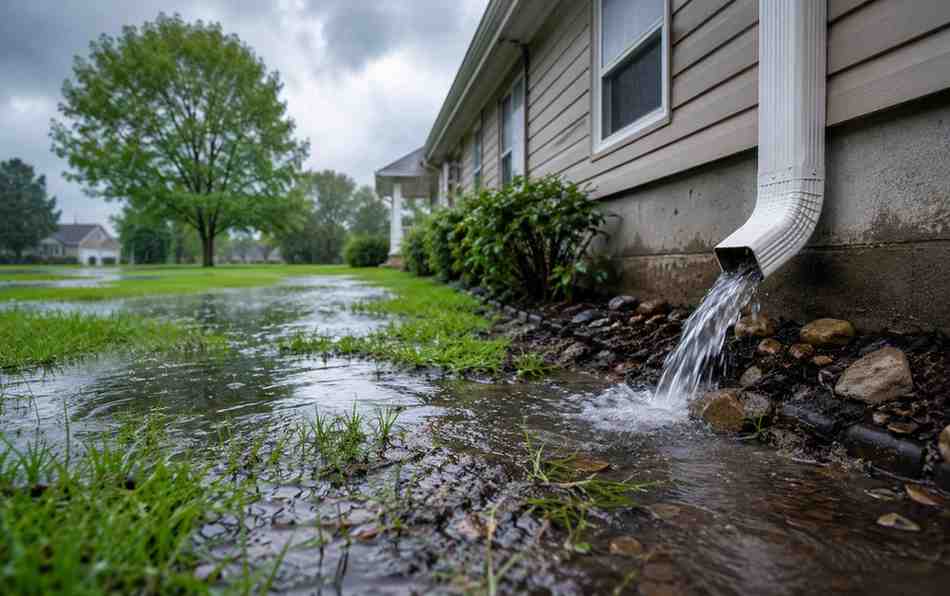
Excess rainwater pooling around a home's foundation due to poor yard drainage.

Hidden Costs of Ignoring Poor Yard Drainage Around Home

Ignoring poor yard drainage can lead to costly property damage, foundation issues, landscape loss, pest infestations, mold growth, and reduced home value. Standing water around your home weakens the soil, increases moisture intrusion, and creates long-term structural risks. Addressing drainage problems early is often far less expensive than repairing the damage they cause. Why Poor Yard Drainage Should Never Be Ignored Many homeowners assume that puddles or soggy spots in the yard are merely cosmetic problems. However, poor yard drainage problems often indicate that water is not moving away from your property as it should. Over time, excess water can affect your home’s foundation, landscaping, outdoor living spaces, and even indoor air quality. What begins as a minor inconvenience can quickly become a major expense if left untreated. The longer water remains trapped around your property, the greater the risk of damage and repair costs. If you’re noticing persistent wet areas, it may be time to hire a yard drainage service provider before minor drainage concerns turn into expensive structural problems. Professional drainage assessments can identify the root cause and recommend effective long-term solutions. 1. Foundation Damage Can Lead to Expensive Repairs Your home’s foundation is designed to support the entire structure. When water repeatedly collects around the foundation, the surrounding soil expands and contracts as moisture levels change. This movement can cause: Foundation cracks Uneven settling Basement or crawlspace leaks Structural instability Interior wall damage Foundation repairs can cost thousands of dollars, making drainage correction one of the most cost-effective preventative measures for homeowners. Warning Signs Cracks in walls or floors Doors and windows sticking Water seepage near foundation walls Uneven flooring 2. Standing Water Destroys Landscaping Investments A beautiful landscape requires healthy soil conditions. Unfortunately, standing water in yard areas can suffocate grass roots and damage plants. Common landscaping problems caused by excess water include: Dead grass patches Root rot Soil erosion Dying shrubs and trees Washed-out mulch and garden beds Many homeowners spend significant money on landscaping improvements only to lose them because of unresolved drainage issues. Proper yard drainage solutions help protect your investment while promoting healthier plant growth. 3. Yard Flooding Creates Soil Erosion One of the most damaging effects of poor drainage is erosion. When heavy rainwater has nowhere to go, it flows across the yard carrying away valuable topsoil. Over time, this process can reshape your landscape and create uneven surfaces. Consequences of yard flooding include: Exposed plant roots Damaged flower beds Unstable walkways Washed-out lawns Increased sediment buildup Once erosion begins, restoring the landscape often requires extensive grading and drainage improvements. 4. Moisture Can Lead to Mold and Mildew Growth Excess outdoor moisture doesn’t always stay outside. Water accumulating near your home can eventually infiltrate crawl spaces, basements, and lower-level walls. These damp environments create ideal conditions for mold and mildew. Potential impacts include: Musty odors Indoor air quality issues Wall and insulation damage Increased allergy symptoms Costly remediation expenses Addressing drainage concerns early helps reduce moisture intrusion and protects the health of your home’s indoor environment. 5. Backyard Drainage Issues Attract Pests Standing water serves as a breeding ground for numerous pests. Common pests attracted to wet yards include: Mosquitoes Ants Termites Rodents Flies Mosquitoes can reproduce in surprisingly small amounts of water, while termites thrive in moist soil conditions around foundations. By resolving backyard drainage issues, homeowners can significantly reduce pest activity and the potential damage pests cause. 6. Driveways, Patios, and Hardscapes Can Deteriorate Excess water doesn’t just affect soil and plants. Water that repeatedly pools around hard surfaces can weaken materials and shorten their lifespan. Potential damage includes: Cracked concrete Sunken pavers Uneven walkways Patio instability Surface staining Repairing or replacing damaged hardscapes often costs much more than implementing proper drainage improvements. 7. Poor Drainage Can Lower Property Value Homebuyers often recognize drainage problems during inspections. Visible signs such as: Water pooling in the yard Erosion issues Foundation cracks Damp basements Poor grading can raise concerns about future maintenance costs. As a result, unresolved drainage issues may: Delay property sales Trigger repair negotiations Reduce market value Discourage potential buyers Maintaining effective drainage helps preserve both curb appeal and long-term property value. Effective Yard Drainage Solutions Fortunately, most drainage issues can be corrected with professional planning and installation. Common yard drainage solutions include: French Drains Underground drainage systems that redirect water away from problem areas. Surface Drains Designed to capture and channel excess runoff. Downspout Extensions Move roof water away from the home’s foundation. Regrading Adjusting yard slopes to improve water flow. Drainage System Installation Customized systems designed to manage persistent water accumulation and flooding concerns. For additional guidance, explore these expert tips for fixing drainage problems in your yard to better understand the causes and solutions available to homeowners. How to Identify Drainage Problems Early Early detection can prevent costly repairs. Watch for these common warning signs: Water remains in the yard for more than 24–48 hours after rain Soggy lawn areas Soil erosion near landscaping Foundation cracks Basement dampness Persistent mosquito activity Water pooling near walkways or patios If you notice multiple symptoms, a professional drainage evaluation is recommended. Conclusion Ignoring poor yard drainage around your home can result in far more than temporary puddles. Long-term exposure to excess moisture can damage foundations, destroy landscaping, attract pests, cause mold growth, and reduce property value. The good news is that most drainage issues can be resolved with proper planning and professional drainage solutions. Taking action early can save thousands in future repairs while protecting your home’s structure, appearance, and long-term investment. Frequently Asked Questions What causes poor yard drainage? Poor yard drainage is often caused by improper grading, compacted soil, inadequate drainage systems, clogged drains, or natural low spots that collect water. Is standing water in the yard dangerous? Yes. Standing water can damage landscaping, weaken foundations, attract mosquitoes, promote mold growth, and increase the risk of soil erosion. How long should water stay in my yard after rain? Water should typically drain within 24 to 48

Scroll to Top