

February 2026

Commercial building with glass facade and surrounding landscape showing effective surface drainage design

8 Most Common Commercial Drainage Problems Businesses Face

Commercial drainage problems can quickly disrupt operations, damage property, and create safety risks for businesses. The most common issues include clogged drains, poor grading, standing water, sewer backups, and damaged pipes—each requiring timely professional attention. If you manage a retail store, warehouse, office complex, restaurant, or industrial facility, understanding these drainage challenges helps you prevent downtime and costly repairs. Below are the 8 most common commercial drainage problems businesses face, explained with practical insights and expert-backed solutions. 1. Clogged Commercial Drains Clogged drains are the most frequent commercial drainage issue, often caused by grease, debris, sediment, and improper waste disposal in high-traffic facilities. In commercial settings, drains handle significantly more waste than residential systems. Restaurants deal with grease and food waste, warehouses collect sediment and debris, and office buildings accumulate paper and soap buildup. Over time, these materials restrict water flow, leading to slow drainage, foul odors, and even overflow. Routine inspections and scheduled commercial drain cleaning services are essential to keep systems operating efficiently and avoid emergency shutdowns. Professional cleaning using hydro jetting and mechanical snaking ensures complete removal of buildup without damaging pipes. 2. Standing Water Around the Property Standing water around commercial buildings signals poor surface drainage, clogged catch basins, or improper grading that prevents water from flowing away from the structure. After heavy rain, puddles in parking lots, loading docks, or landscaped areas indicate drainage failure. This not only creates slip hazards but also weakens pavement and foundations. If left unresolved, standing water can seep into the building envelope, increasing the risk of mold growth and structural deterioration. Proper grading, trench drains, and stormwater management systems help redirect water safely away from the property. 3. Sewer Line Backups Sewer backups occur when blockages or damaged pipes prevent wastewater from flowing into municipal systems, forcing sewage back into the building. This is one of the most serious drainage problems a business can face. Backups cause contamination, unpleasant odors, and potential health code violations. Common causes include tree root intrusion, grease buildup, pipe collapse, or excessive rainfall overwhelming the system. Early warning signs include gurgling drains, multiple slow fixtures, and sewage smells. Routine camera inspections can identify internal pipe damage before a full backup occurs. 4. Poor Stormwater Management Inadequate stormwater drainage systems can overwhelm commercial properties during heavy rainfall, leading to flooding and landscape erosion. Florida businesses, especially in coastal regions, face intense rainfall events. Without proper retention ponds, French drains, or channel drains, stormwater accumulates rapidly. Effective drainage planning requires understanding soil conditions, water flow patterns, and local building codes. If you want to explore preventative strategies, review these proven commercial drainage solutions to prevent costly water damage that protect businesses long term. Proactive design prevents expensive restoration and operational downtime. 5. Damaged or Collapsed Drain Pipes Aging or damaged pipes can crack, corrode, or collapse, disrupting drainage flow and causing hidden underground leaks. Many commercial properties operate with decades-old piping systems. Over time, shifting soil, heavy vehicle loads, and corrosion weaken underground lines. Signs of pipe damage include unexplained sinkholes, persistent wet spots, or sudden drainage slowdowns. Advanced diagnostic tools such as video pipe inspections help pinpoint exact failure points without unnecessary excavation. Timely pipe repair or replacement minimizes disruption to daily operations. 6. Grease Trap Failures in Restaurants Grease trap overflow or failure leads to clogged pipes, foul odors, and potential regulatory violations for food service businesses. Commercial kitchens generate high volumes of fats, oils, and grease (FOG). Without regular maintenance, grease traps become overloaded, allowing buildup to enter sewer lines. This can result in severe blockages and costly health inspections. Scheduled pumping and cleaning are critical for compliance and smooth kitchen operations. Partnering with experienced drainage specialists ensures grease systems meet local environmental standards. 7. Foundation Drainage Issues Improper drainage near foundations allows water to accumulate against building walls, increasing the risk of structural damage and interior leaks. Water pooling near a commercial foundation can seep through cracks, weaken concrete, and compromise structural integrity. In multi-unit or large commercial buildings, this issue can affect multiple tenants simultaneously. Installing proper perimeter drains, sump pumps, and grading adjustments helps safeguard the property’s foundation. Preventative drainage planning is far more cost-effective than structural repairs. 8. Blocked Catch Basins and Storm Drains Blocked catch basins and storm drains restrict surface water flow, increasing flood risks in parking lots and commercial landscapes. Leaves, trash, sediment, and construction debris frequently clog stormwater entry points. When these drains fail, water accumulates quickly during heavy rainfall. Routine cleaning and maintenance of catch basins prevent surface flooding and pavement damage. Businesses that implement scheduled maintenance programs experience fewer emergency repairs and lower long-term costs. Why Proactive Commercial Drainage Maintenance Matters Commercial drainage systems are more complex and higher capacity than residential ones. They support business continuity, safety compliance, and property value protection. From experience working with commercial properties, drainage failures often start small—slow drains, minor pooling, occasional odors—but escalate rapidly when ignored. Preventative maintenance programs, regular inspections, and expert diagnostics reduce unexpected shutdowns. Professional drainage contractors use advanced tools like hydro jetting, CCTV camera inspections, trench drain installations, and engineered stormwater systems to address root causes—not just surface symptoms. When evaluating service providers, look for: Licensed and insured drainage specialists Proven experience with commercial properties Knowledge of Florida building codes and stormwater regulations Transparent maintenance plans and emergency support Protect Your Business with Expert Commercial Drainage Solutions Drainage problems don’t just create inconvenience—they threaten operations, customer safety, and long-term structural integrity. Addressing issues early protects your investment and ensures uninterrupted business performance. If your business in Jacksonville is facing clogged drains, stormwater pooling, or sewer concerns, WeatherTek delivers reliable, professional commercial drainage services tailored to your property’s unique needs. Contact WeatherTek today to schedule an inspection and protect your commercial property with the best commercial drainage services across Jacksonville, Florida.

Surface water flowing into channel drain for proper backyard drainage

Top Backyard Drainage Solutions for a Dry, Healthy Yard

Backyard drainage solutions are systems designed to remove excess water from your yard to prevent standing water, soil erosion, lawn damage, and foundation problems. The most effective options include French drains, dry wells, channel drains, swales, permeable pavers, and sump pumps — each chosen based on your yard’s slope, soil type, and severity of water buildup. Installing the right backyard drainage system protects your home, keeps your lawn healthy, and ensures proper water flow year-round. Why Backyard Drainage Is So Important Ignoring water buildup can lead to: Lawn damage and dead grass patches Soil erosion and landscape destruction Mold growth and mosquito breeding Cracks in your home’s foundation Basement or crawl space flooding Installing the right drainage system for your yard ensures water flows away from your property — not into it. 1. French Drains – The Most Popular Backyard Drainage System A French drain is one of the most reliable lawn drainage solutions available. It uses a perforated pipe buried in a gravel trench to collect and redirect water away from problem areas. Why Homeowners Choose French Drains: Eliminates standing water Protects foundations Reduces soil erosion Works for small and large yards If water collects in low spots, a French drain is often the most effective long-term backyard drainage solution. 2. Dry Wells – Smart Underground Water Storage A dry well collects excess water and slowly releases it into the surrounding soil. This system works well when water cannot be redirected to a street or storm drain. Key Benefits: Prevents surface flooding Reduces soil oversaturation Promotes natural groundwater recharge Hidden underground for a clean look Dry wells are excellent yard drainage solutions for eco-conscious homeowners. 3. Channel Drains – Perfect for Patios & Driveways Also called trench drains, channel drains capture surface water and move it through underground pipes. They’re commonly installed near patios, pool decks, and driveways. Why Install Channel Drains? Fast removal of surface water Prevents slippery walkways Protects paved surfaces from damage Ideal for high-traffic areas If hardscaped areas are flooding, this drainage system for yard spaces can prevent costly repairs. 4. Rain Gardens – A Natural Drainage Solution Want a beautiful and eco-friendly option? Rain gardens combine landscaping with functionality. Special plants and soil layers absorb and filter rainwater naturally. Benefits of Rain Gardens: Enhances curb appeal Reduces runoff Supports pollinators Controls soil erosion This type of backyard drainage solution blends seamlessly with your landscape design. 5. Swales – Simple Yet Effective Water Control Swales are shallow, sloped channels that guide water away from your home while allowing it to soak into the ground gradually. Why Swales Work: Slows down water flow Minimizes erosion Budget-friendly option Natural-looking design They’re especially effective for larger yards with gentle slopes. 6. Permeable Pavers – Drainage Built Into Your Design Permeable pavers allow rainwater to pass through the surface instead of running off like traditional concrete. Advantages: Reduces water pooling Improves soil absorption Durable and low maintenance Stylish and modern look Replacing traditional paving with permeable materials improves both function and appearance. 7. Sump Pumps – For Severe Drainage Issues If your yard has serious water problems or basement flooding, a sump pump may be necessary. It automatically removes collected water and pumps it away from your home. Why Consider a Sump Pump? Prevents basement flooding Protects your foundation Activates automatically Ideal for flood-prone properties While it requires electricity, it provides strong protection during heavy storms. How to Choose the Right Backyard Drainage Solutions The best solution depends on: Yard slope and soil type Severity of water accumulation Property layout Budget Local rainfall patterns In many cases, combining multiple lawn drainage solutions provides the best results. Final Thoughts Water problems don’t fix themselves — and waiting often makes them worse. Investing in the right backyard drainage solutions protects your lawn, prevents structural damage, and keeps your outdoor space usable year-round. From French drains and dry wells to rain gardens and permeable pavers, there are reliable yard drainage solutions for every property type. If your drainage problems persist, consulting a professional ensures the system is installed correctly for long-term performance. A dry, healthy yard isn’t just possible — it’s achievable with the right drainage system for yard protection. FAQs How do I know if I need a backyard drainage system? You likely need a backyard drainage system if you notice water pooling after rain, soggy grass that doesn’t dry, soil erosion, foundation cracks, or basement moisture. Persistent water issues can damage both landscaping and your home’s structure if left untreated. What is the most cost-effective drainage system for a yard? Swales and simple French drains are often the most cost-effective drainage systems for yard areas. Swales require minimal materials and use natural grading, while French drains provide long-term water control at a moderate installation cost. Can poor yard drainage damage my foundation? Yes. Poor yard drainage can lead to water accumulating around your foundation, which increases hydrostatic pressure. Over time, this can cause cracks, shifting, and even basement flooding. Installing proper yard drainage solutions helps protect your home’s structural integrity. Are lawn drainage solutions environmentally friendly? Many lawn drainage solutions are eco-friendly. Rain gardens, permeable pavers, and dry wells help reduce runoff and promote groundwater recharge. These options manage water naturally while improving landscape health. How long does a backyard drainage system last? A professionally installed backyard drainage system can last 20–30 years or more, depending on materials and maintenance. Regular inspections and clearing debris from drains help extend system life and maintain performance.

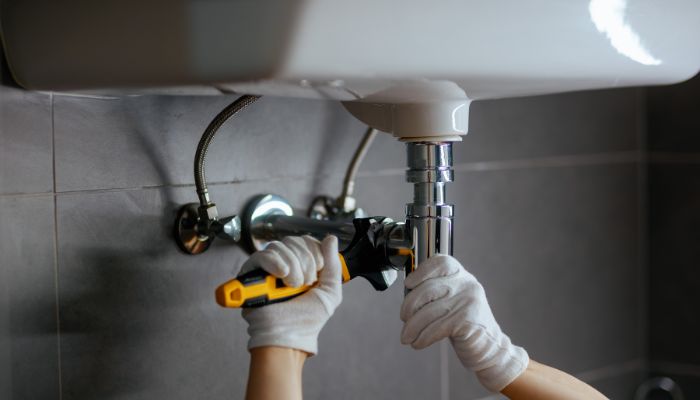
Plumber repairing a drain pipe under a bathroom sink showing signs of a failing drain line.

What Are the Signs of a Failing Drain Line?

A failing drain line usually shows up through slow drains, recurring clogs, foul odors, gurgling sounds, or unexpected water damage. Catching these warning signs early can help you avoid major plumbing repairs and costly property issues. If you’re noticing multiple drainage problems at once, your drain line may already be weakening beneath the surface and needs professional attention fast. Signs of a Failing Drain Line 1. Slow Drains That Keep Coming Back One of the earliest signs of a failing drain line is water draining slowly from sinks, tubs, or showers, even after cleaning. Persistent slow drainage often points to deeper pipe damage or buildup. When slow drains return repeatedly, it’s rarely just a simple clog. In many cases, the drain line has cracks, corrosion, or root intrusion that blocks proper water flow over time. 2. Frequent Clogs in Multiple Fixtures If more than one drain in your home keeps clogging, the issue may not be localized. Multiple backups often indicate a larger problem in the main drain line system. This pattern is a strong warning sign because isolated clogs usually affect one fixture. But widespread clogging suggests the main line is struggling, failing, or partially collapsed underground. 3. Bad Odors Coming From Drains Sewage-like smells coming from your drains are never normal. These odors often happen when waste water cannot move through the drain line properly, causing buildup and bacterial growth. A failing drain line may have cracks or blockages that trap debris. The longer it sits, the worse the smell becomes, signaling a need for inspection and repair. 4. Gurgling Noises and Air Bubbles Strange gurgling sounds from toilets or drains can mean trapped air in the plumbing system. This happens when wastewater flow is disrupted by blockage or pipe deterioration. At this stage, many homeowners begin considering drain pipe replacement because these noises often suggest structural issues, not just surface-level clogs. 5. Water Backups or Overflow Problems Water backing up into tubs, showers, or floor drains is one of the clearest signs of drain line failure. Backups often occur when the pipe can no longer carry waste away efficiently. This is more than an inconvenience—it can become a health hazard. Sewage exposure and water damage can escalate quickly, so immediate professional help is critical. 6. Unexplained Water Damage or Mold Growth Failing drain lines can leak behind walls or beneath floors without obvious signs at first. Over time, hidden leaks cause staining, warped flooring, and mold growth. If you notice damp spots, musty smells, or sudden mold patches, your drain line could be cracked or broken, allowing moisture to collect inside your home structure. 7. Soggy Patches or Sinkholes in the Yard Outdoor warning signs are common with underground drain line damage. If parts of your yard are unusually wet, smelly, or sunken, wastewater may be leaking below the surface. These issues often point to a broken sewer or drain line. Addressing them early helps prevent major excavation costs and property damage. 8. Higher Water Bills Without Explanation A damaged drain line can waste water through unnoticed leaks, leading to an unexpected rise in your utility bill. Even small cracks can cause significant long-term water loss. If your bill increases but your water usage hasn’t changed, it’s smart to schedule a drain line inspection to rule out hidden plumbing failure. Signs You Should Schedule a Professional Drain Inspection If you’re experiencing repeated clogs, odors, gurgling, or water damage, it may be time to call a trusted drainage specialist. Professionals use camera inspections to pinpoint failures accurately. For homeowners in Jacksonville, you can review these detailed warning signs you may need drain replacement to understand when urgent action is necessary. Why Trust Matters With Drain Line Repairs Drain line problems require expert diagnosis, not guesswork. Experienced contractors know how to detect pipe collapse, root intrusion, and long-term corrosion before repairs become emergencies. For added confidence, you can also explore WeatherTek’s verified business profile through this trusted contractor listing to see their service credibility and customer-focused reputation. Final Thoughts: Don’t Ignore Drain Line Warning Signs The signs of a failing drain line usually start small—slow drainage, odors, and clogs—but they can quickly become major backups or property damage. Early detection saves money and stress. If you suspect drain trouble, acting quickly with a professional evaluation is the best way to protect your home and avoid costly replacements later.

Scroll to Top