
March 2026

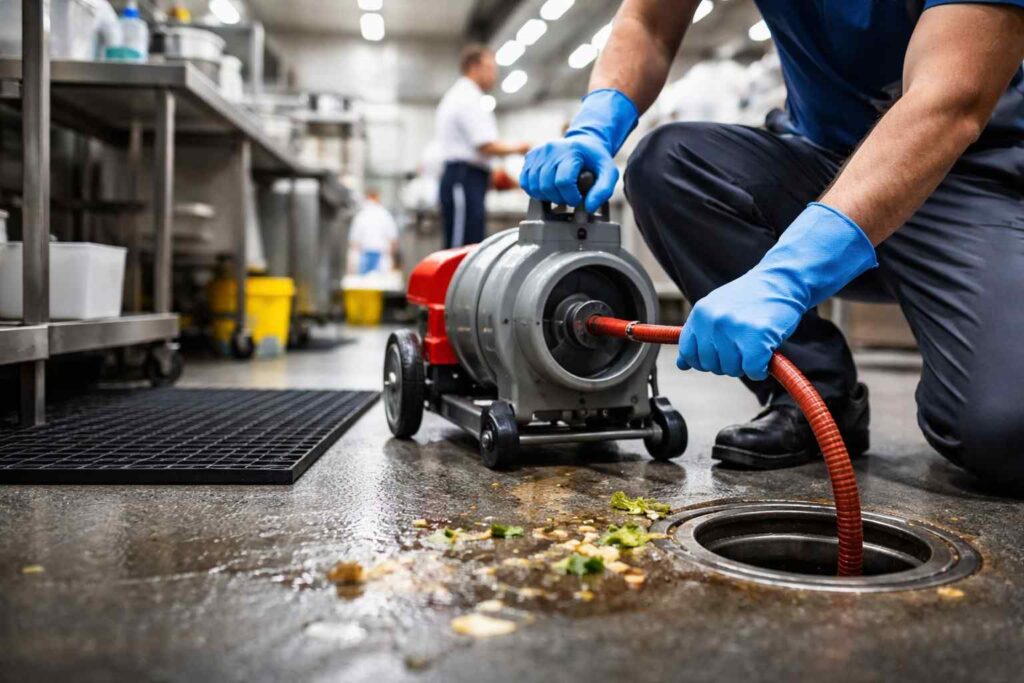
Commercial kitchen drain cleaning with professional equipment removing grease and debris

How Often Should Commercial Drains Be Cleaned in Restaurants?

Commercial drains in restaurants should typically be cleaned every 1–3 months, depending on kitchen volume, grease output, and local regulations. High-traffic kitchens may require monthly or even bi-weekly maintenance to prevent costly backups and health violations. Why Regular Drain Cleaning Is Critical for Restaurants Restaurant drains handle grease, food waste, and detergents daily, making them prone to clogs and buildup. Regular cleaning ensures hygiene, prevents foul odors, and keeps your commercial plumbing system running efficiently. In busy commercial kitchens, neglecting drains can quickly lead to backups that disrupt operations. Beyond inconvenience, clogged drains may violate health codes and damage your reputation. Consistent maintenance is a proactive investment in business continuity. Recommended Restaurant Drain Cleaning Frequency Most restaurants should schedule professional drain cleaning every 1–3 months. However, fast-paced kitchens, such as fast food or buffet-style establishments, often need more frequent service due to higher grease and food waste output. Low-volume restaurants might extend cleaning intervals slightly, but routine inspection is still essential. Understanding your kitchen’s usage patterns helps determine the right restaurant drain cleaning frequency for optimal performance. Factors That Influence Cleaning Frequency Several factors determine how often restaurant drains need cleaning, including kitchen size, menu type, and daily traffic. Grease-heavy menus and fried foods significantly increase the risk of buildup in restaurant drains. Another key factor is staff practices. Poor waste disposal habits can accelerate clog formation, while proper training can reduce strain on your commercial plumbing system and extend the time between cleanings. Signs Your Restaurant Drains Need Immediate Cleaning Slow drainage, unpleasant odors, and frequent backups are clear indicators that your drains require attention. Ignoring these warning signs can lead to severe plumbing issues and costly repairs. If you notice recurring clogs despite regular maintenance, it may be time to use a commercial drain cleaner or consult experts for deeper cleaning solutions. Early action prevents major disruptions. Preventive Maintenance for Commercial Kitchens Preventive maintenance is the backbone of efficient commercial drain maintenance for restaurants. Simple practices like scraping plates, using grease traps, and avoiding oil disposal in sinks can significantly reduce buildup. Routine cleaning schedules combined with staff training create a strong defense against plumbing issues. Investing in preventive care minimizes emergency repairs and keeps your kitchen compliant with health standards. Role of Professional Commercial Plumbing Services Professional commercial plumbing services provide advanced tools and expertise to thoroughly clean and inspect drain systems. Techniques like hydro jetting and camera-based drain line inspection ensure deeper and more effective cleaning. Experts can also identify hidden issues within your commercial plumbing system before they escalate. Partnering with professionals ensures long-term efficiency and compliance with local regulations. How Grease Traps Impact Drain Cleaning Needs Grease traps play a vital role in reducing fats, oils, and grease (FOG) entering your drains. However, they require regular cleaning themselves—typically every 1–3 months—to remain effective. When grease traps are neglected, excess grease flows into pipes, increasing the need for frequent drain cleaning. Maintaining both systems together ensures optimal performance and fewer plumbing emergencies. Health and Compliance Considerations Health departments often require strict sanitation standards in commercial kitchens, including proper drain maintenance. Failing to meet these standards can result in fines, closures, or negative inspections. Regular drain cleaning helps prevent bacterial growth, foul odors, and pest infestations. Staying compliant not only protects your business legally but also ensures a safe environment for staff and customers. Cost Benefits of Routine Drain Cleaning Routine drain cleaning is far more cost-effective than emergency repairs or system replacements. Preventive maintenance reduces downtime, extends the lifespan of your plumbing, and avoids unexpected expenses. Investing in scheduled cleaning also improves kitchen efficiency. Smooth drainage systems support faster operations, helping your staff focus on delivering quality service without interruptions. Best Practices for Maintaining Restaurant Drains Establishing clear maintenance protocols is essential for long-term success. Daily cleaning routines, weekly inspections, and monthly professional servicing create a comprehensive approach to drain care. Educating staff on proper waste disposal and monitoring drain performance ensures consistency. Combining these practices with professional support leads to a reliable and efficient drainage system. For deeper insights into why proactive maintenance matters, explore this detailed guide onwhy Florida restaurants can’t ignore drain issues. Final Thoughts: Finding the Right Cleaning Schedule There is no one-size-fits-all answer, but most restaurants benefit from cleaning their drains every 1–3 months, with adjustments based on usage and kitchen type. High-volume operations should consider more frequent servicing. By prioritizing regular maintenance, leveraging professional expertise, and following best practices, restaurant owners can ensure smooth operations, maintain hygiene standards, and avoid costly disruptions. A well-maintained drainage system is essential for the long-term success of any commercial kitchen.
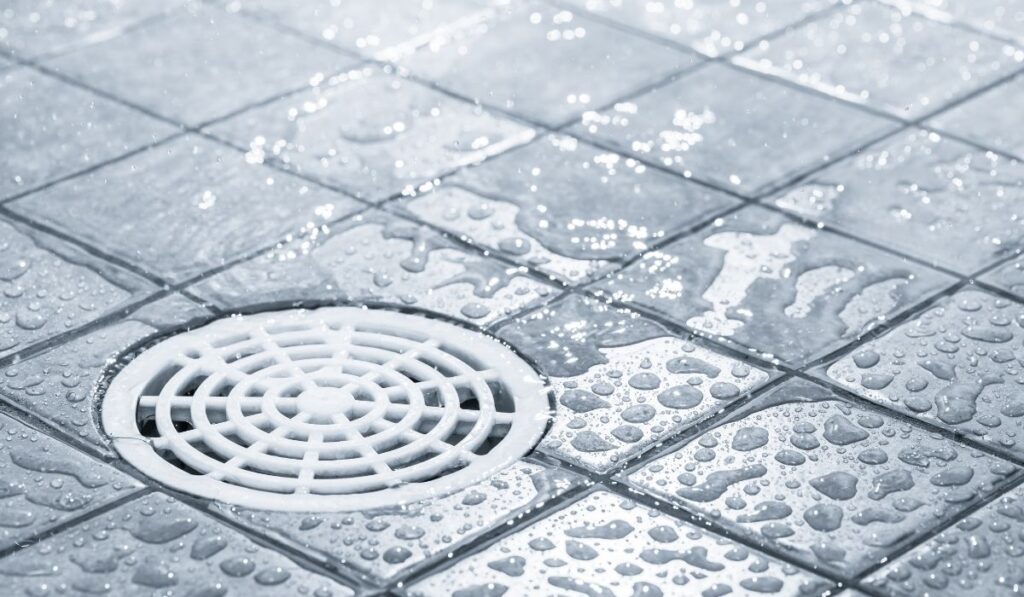
Surface drain managing rainwater runoff to prevent yard flooding and support French drain system in Florida

Why Is a French Drain System Needed in Florida? 8 Top Reasons

A French drain system is needed in Florida because the state’s heavy rainfall, sandy soil, high water tables, and frequent storms cause excess water buildup around homes. A properly installed French drain redirects groundwater away from foundations, yards, and landscaping, preventing flooding and structural damage. Florida homeowners often struggle with soggy lawns, standing water, and foundation moisture problems. A well-designed drainage solution—like a French drain—helps manage runoff, protect property value, and maintain a healthy landscape. Below are the top eight reasons why installing a French drain system is essential for many Florida properties. 1. Prevents Water Pooling in the Yard A French drain helps redirect excess surface water away from low spots in your yard. In Florida’s frequent rainstorms, lawns often become saturated quickly, creating puddles that can linger for days without proper drainage. Standing water doesn’t just ruin the appearance of your landscape—it can kill grass roots and damage garden beds. A French drain collects and channels water through a gravel-filled trench and perforated pipe, ensuring your yard dries faster after heavy rainfall. 2. Protects Your Home’s Foundation from Water Damage One of the biggest reasons Florida homes need a French drain is to protect the foundation. When rainwater collects around the base of your house, it can seep into cracks and weaken the structure over time. Moist soil also expands and contracts as water levels change, which may lead to foundation shifting. A properly installed drainage system moves groundwater away from the home, reducing pressure against basement walls or slab foundations. 3. Handles Florida’s Heavy Rainfall Efficiently Florida receives significant annual rainfall, and sudden storms can overwhelm traditional yard drainage systems. A French drain provides a reliable path for water to flow safely away from your property during these intense downpours. Homeowners who experience recurring flooding often consider french drain installation in Jacksonville and other Florida cities to manage runoff more effectively. By creating a controlled drainage channel underground, the system keeps water moving even during heavy storms. 4. Prevents Flooding Around Walkways and Driveways Water runoff can easily collect near driveways, sidewalks, patios, and outdoor living spaces. Over time, this constant moisture can weaken concrete, cause soil erosion, and create slippery surfaces. Installing a French drain along these areas helps intercept water before it pools. The drainage trench captures excess runoff and directs it toward a safe outlet, protecting both hardscapes and landscaping features. 5. Reduces Soil Erosion in Landscaped Areas Florida yards often feature decorative landscaping, garden beds, and sloped lawns. Without proper drainage, heavy rain can wash away topsoil and damage plants. A French drain stabilizes the soil by managing water flow beneath the surface. Instead of running freely across your yard, rainwater is captured and redirected, helping maintain healthy soil structure and preserving landscaping investments. 6. Controls Moisture Near Basements and Crawl Spaces While many Florida homes sit on slab foundations, some properties have crawl spaces or partially below-grade areas that are vulnerable to moisture buildup. Poor drainage can lead to damp environments that encourage mold growth and wood rot. A French drain system reduces groundwater pressure and diverts water away from these sensitive areas. When installed correctly, it keeps crawl spaces drier and improves the overall indoor air quality of your home. 7. Protects Outdoor Structures and Property Value Excess moisture can gradually damage fences, retaining walls, sheds, and patios. Water buildup may also create muddy patches that make outdoor spaces difficult to use. A French drain preserves the usability and durability of your outdoor areas by ensuring proper water movement across the property. Homeowners also benefit from maintaining curb appeal and long-term property value. If you’re exploring how drainage systems function in different yard layouts, this guide on how to build a French drain in a yard can help you understand the basic installation process and design considerations. 8. Provides a Long-Term Drainage Solution Unlike temporary drainage fixes, a French drain offers a durable, long-term solution for water management. Once installed, the system works quietly underground to move water away from problem areas. The key to long-term success is choosing the correct outlet and drainage route. Understanding different French drain outlet options can help ensure water exits your system efficiently without causing issues elsewhere on your property. Why French Drains Work Well in Florida Soil Conditions Florida’s sandy soil actually makes French drains particularly effective. Sandy soil allows water to pass through quickly, which means the gravel trench and perforated pipe can efficiently capture and redirect excess groundwater. However, sandy soil also means water can move rapidly toward foundations or low areas if not properly controlled. A well-planned drainage system helps manage this movement and prevents water from accumulating in unwanted places. Professional installation is often recommended to ensure the trench depth, slope, and outlet location are designed correctly for your specific property. Signs Your Florida Property May Need a French Drain Many homeowners don’t realize they need improved drainage until water problems become obvious. Here are some common warning signs: Standing water that remains in your yard after rain Muddy patches that never seem to dry Water pooling near your home’s foundation Erosion in garden beds or sloped areas Damp crawl spaces or musty odors inside the home If you notice several of these issues, installing a French drain may help resolve the problem before it leads to costly repairs. Final Thoughts A French drain system is one of the most effective ways to control excess water in Florida landscapes. With the state’s frequent rainfall, high water tables, and storm activity, proper drainage plays a crucial role in protecting homes and outdoor spaces. By redirecting water away from foundations, preventing yard flooding, and stabilizing soil, French drains provide a reliable long-term solution for many Florida properties. If you’re experiencing persistent drainage issues, installing a French drain can help keep your yard dry, protect your home’s structure, and maintain a healthier landscape for years to come.

Scroll to Top